
 Commercial Furniture
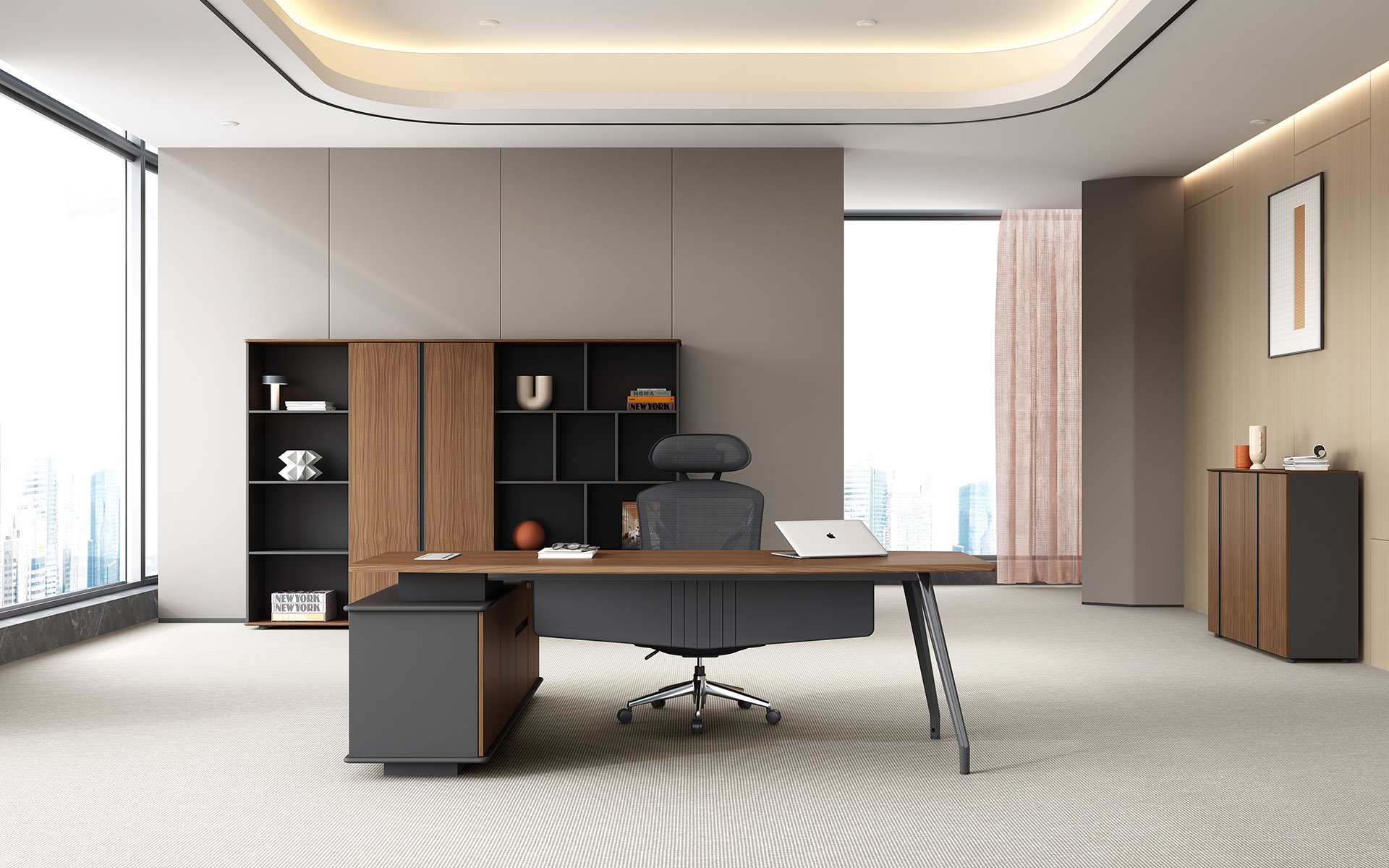 Office Furniture
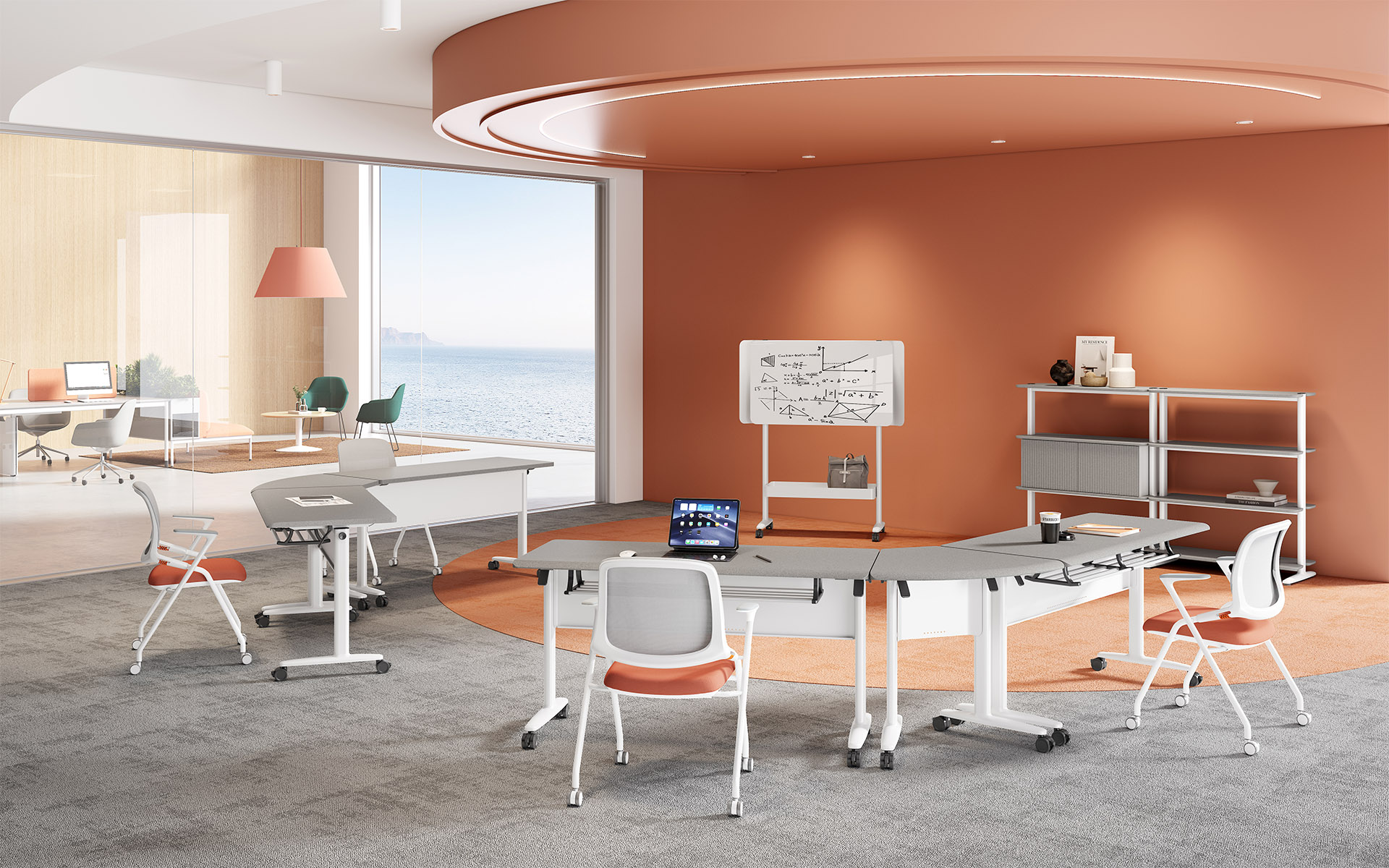 Education Furniture
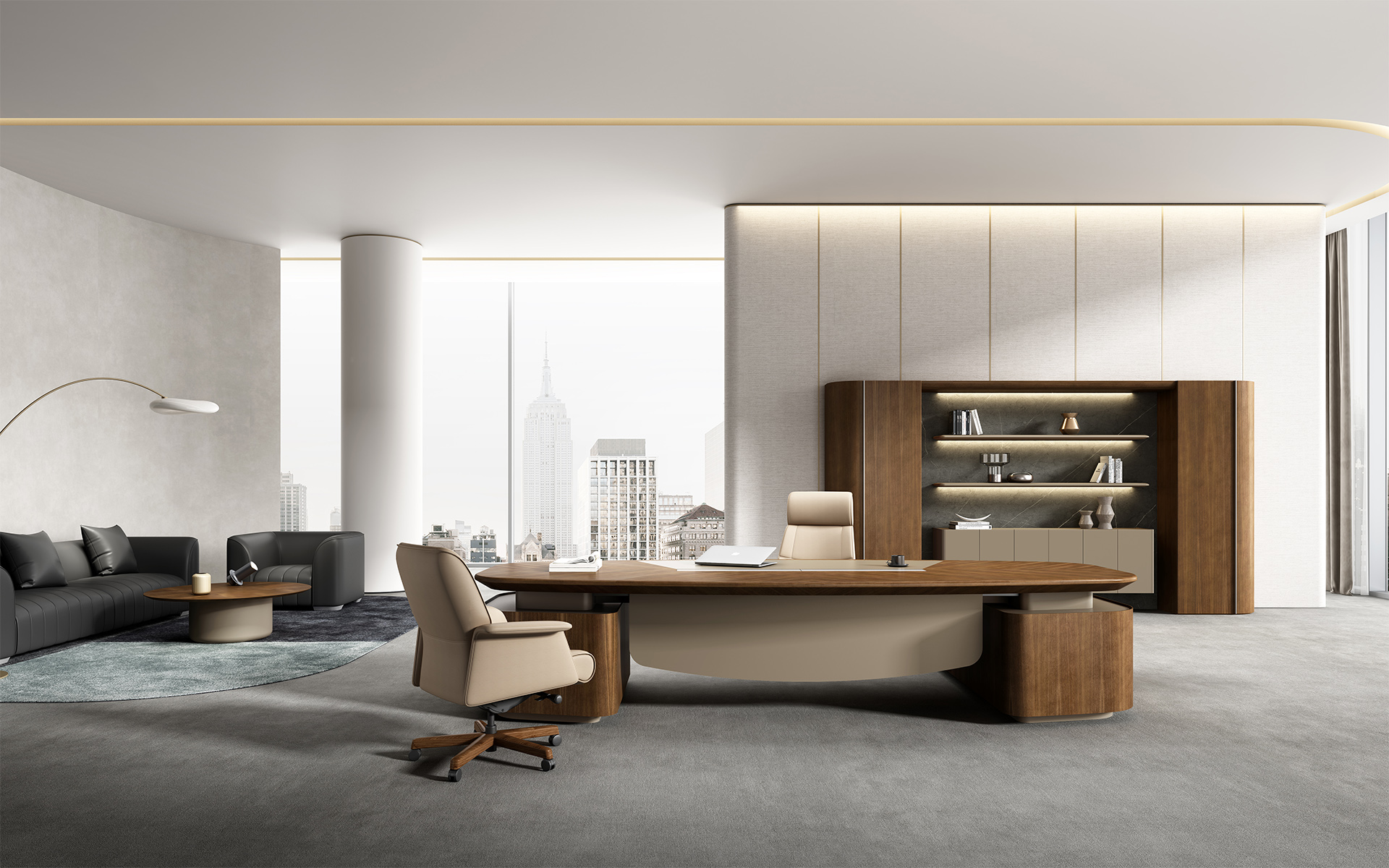 Wood Veneer
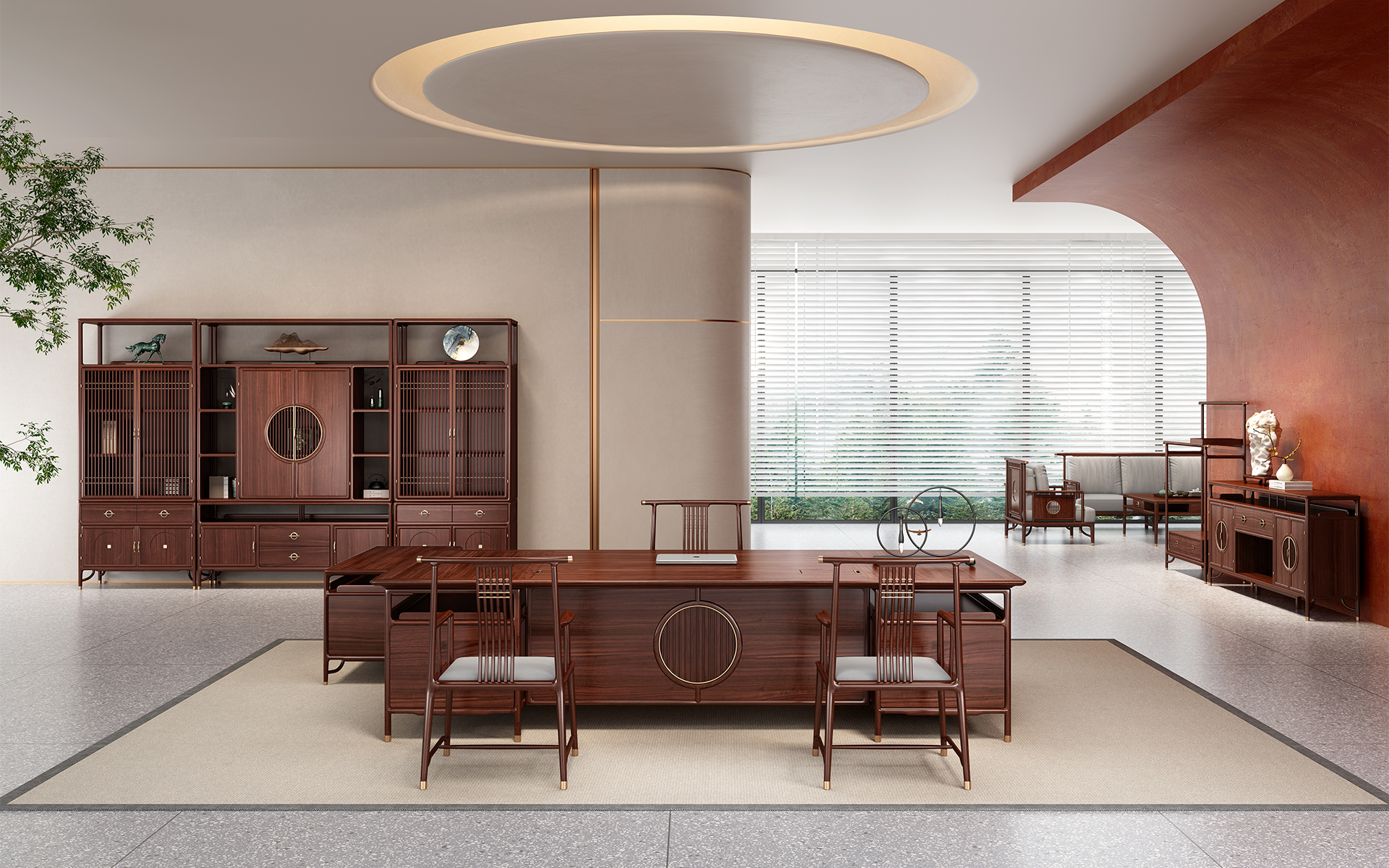 Solid Wood
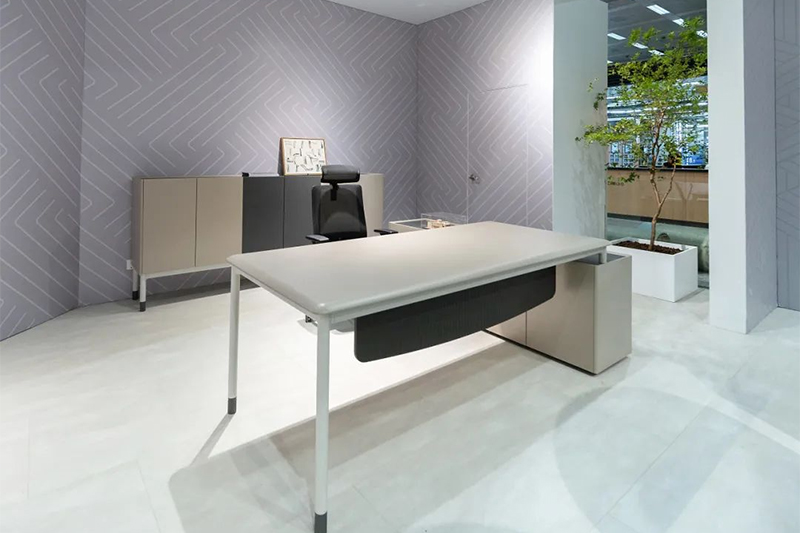 Powder Coated MDF
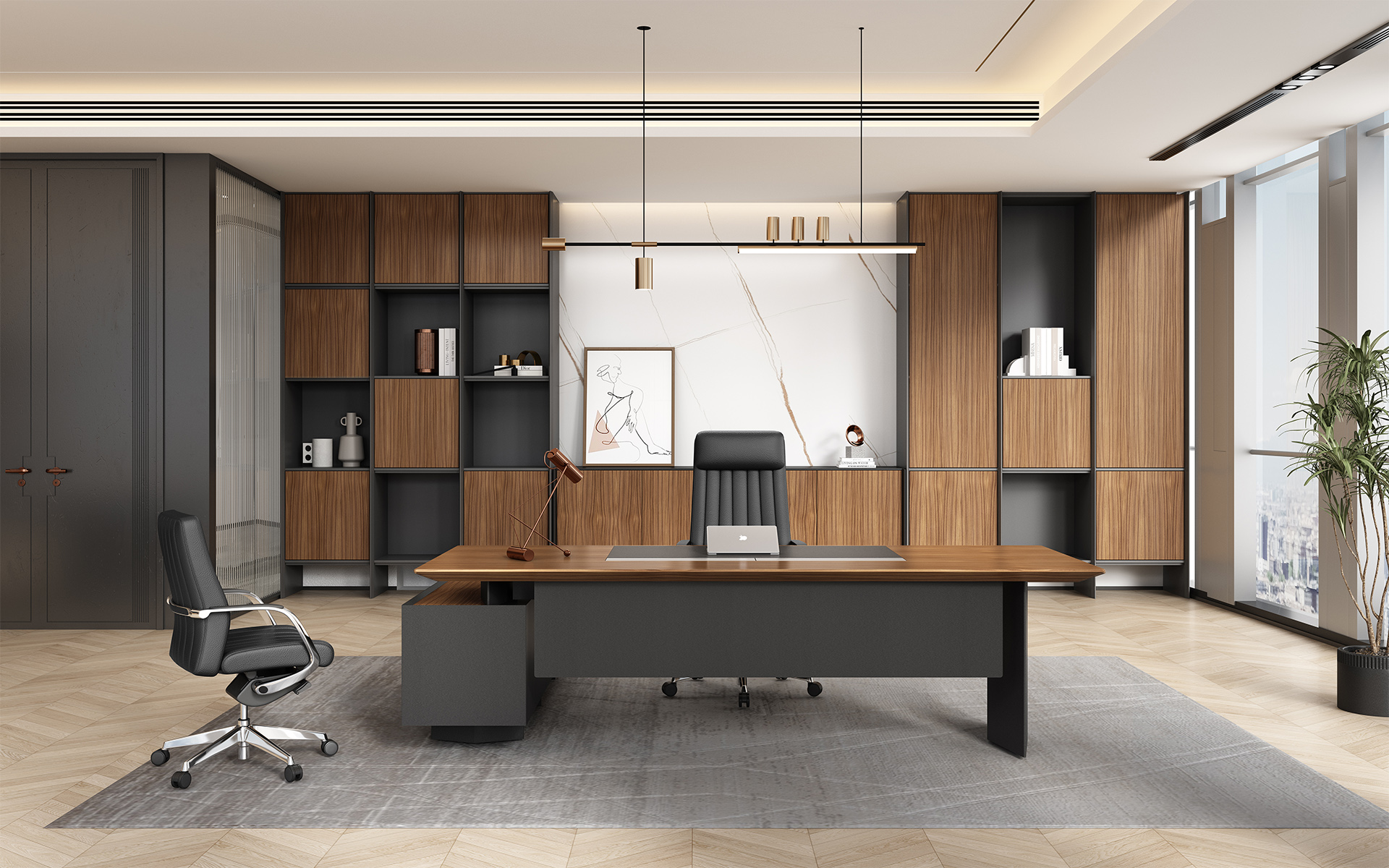 Executive Series
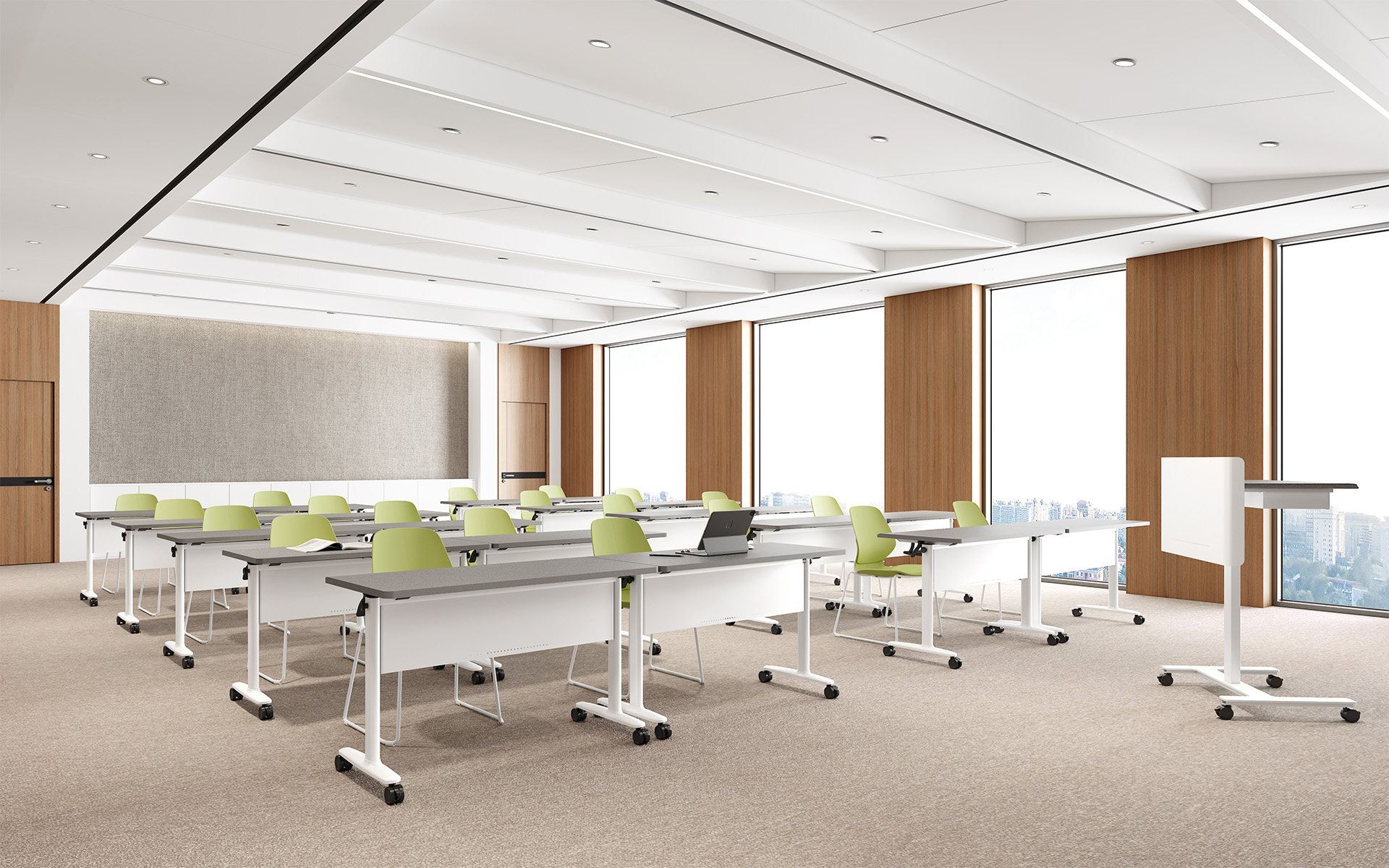 Training Series
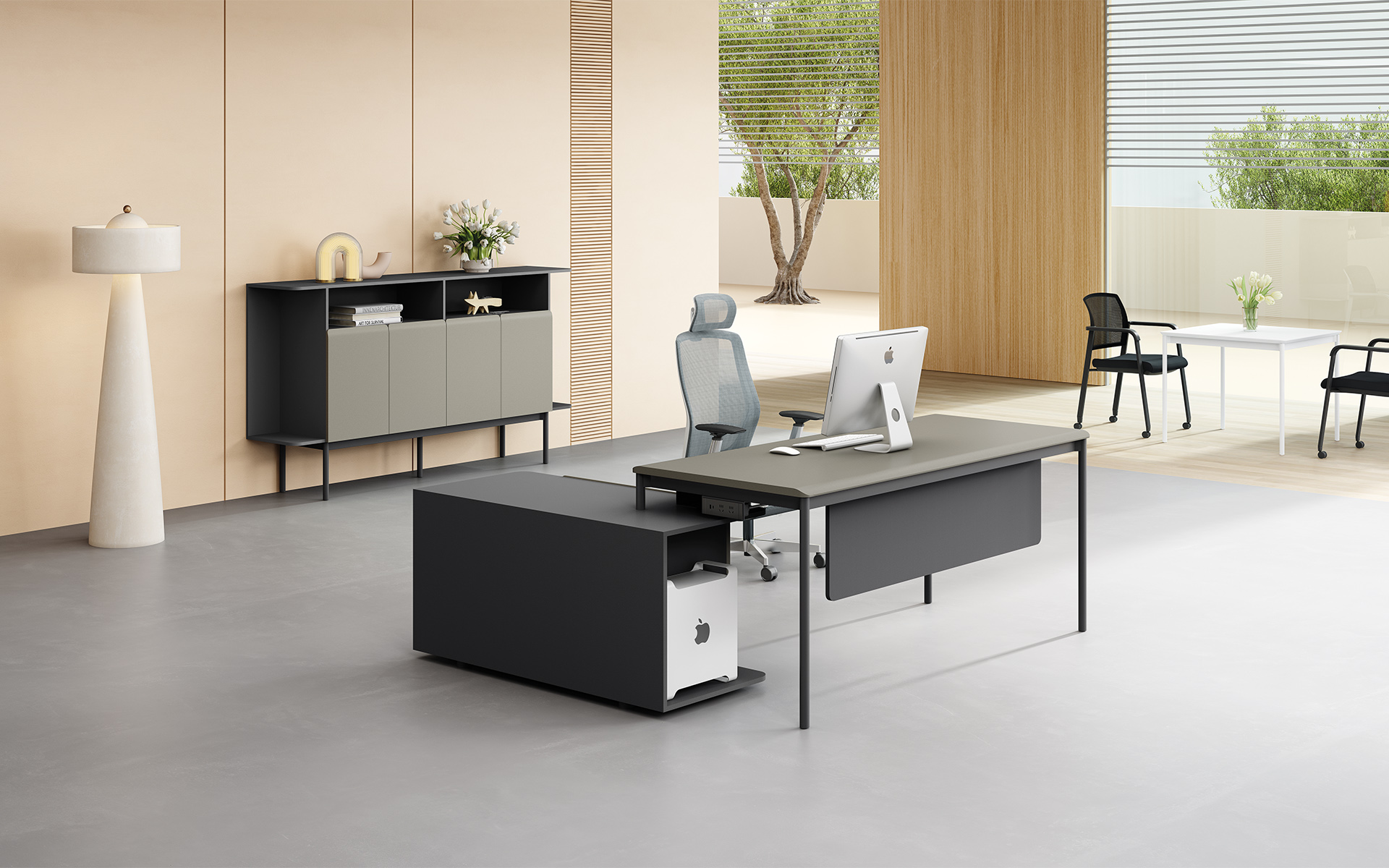 Desks
 Conference Table
Leave Your Message
Precision-crafted seating designed to support hours of focused study, research, and reading in library environments.

Breathable mesh back with lumbar support — ideal for long reading and research sessions.

Adjustable seat height and armrests designed for multi-user library study environments.

Silent caster wheels and noise-reducing design — perfect for quiet study and reading zones.

Soft upholstery and recline function for collaborative study areas and academic lounges.
Understanding the commercial and industrial landscape driving demand for specialized office chairs in library environments.
Research consistently shows that seating quality directly impacts cognitive performance, reading retention, and study endurance. In library study zones — where users may remain seated for 2 to 6 hours — the right office chair is not a luxury but a fundamental requirement. Poorly designed chairs lead to postural fatigue, reduced concentration, and increased absenteeism from study areas. Ergonomically optimized office chairs for library environments are now considered essential institutional infrastructure, not optional furniture.
What separates a purpose-built library study chair from a standard office chair — and why it matters for institutions and end users alike.
Adjustable lumbar support systems maintain the natural S-curve of the spine during extended reading sessions, reducing lower back strain that commonly affects library users sitting for hours.
High-tensile mesh backrests promote airflow and temperature regulation, preventing the discomfort of heat buildup during long study periods — critical for library environments without strong air conditioning.
Noise-free rolling mechanisms are essential in library quiet zones. Specially designed PU casters eliminate the disruptive sounds that standard office chair wheels produce on hard library floors.
Seat height, armrest width, tilt tension, and headrest positioning must all be independently adjustable to accommodate the diverse body types and study postures of library patrons.
Library environments prioritize indoor air quality. Chairs manufactured with low-VOC materials, recycled content, and eco-certified production processes align with institutional sustainability mandates.
Library chairs endure multi-user, high-rotation use. Commercial-grade gas lifts, reinforced bases, and high-cycle-tested mechanisms ensure 8–10 year lifespans under institutional conditions.
Office chairs in library settings serve far more diverse and specialized roles than traditional office deployments. Here is a comprehensive breakdown of key application environments.
University libraries represent the highest-volume deployment environment for study zone office chairs. With student populations ranging from thousands to tens of thousands, academic libraries require chairs that balance individual ergonomic customization with institutional durability. The modern academic library has evolved from a silent reading repository into a dynamic learning hub featuring collaborative study pods, individual focus carrels, and group seminar areas — each demanding different chair specifications. Ergonomic mesh task chairs with height-adjustable armrests and lumbar support are the dominant choice for individual study carrels, while lounge-style seating with tablet arms serves collaborative zones.
Elementary, middle, and high school library media centers require age-appropriate ergonomic seating that supports developing spines while withstanding the rigors of younger users. Seat height ranges must accommodate children from ages 6 to 18, making height-adjustability a non-negotiable specification. Colorful, durable upholstery options allow school librarians to create visually engaging study environments while maintaining the structural integrity required for high-turnover institutional use. Anti-tip bases and rounded edge profiles are additional safety considerations unique to the K-12 library market.
Public libraries serve the most demographically diverse user base of any library type — from children doing homework to seniors researching genealogy to professionals working remotely. This diversity demands the broadest ergonomic range of any library chair specification. Public libraries increasingly feature dedicated quiet zones, maker spaces, digital resource centers, and co-working areas, each with distinct seating requirements. Weight capacities up to 150kg, easy-clean antimicrobial upholstery, and vandal-resistant mechanisms are key procurement criteria for public library furniture managers.
Corporate libraries, legal research rooms, and financial institution reference centers represent a premium segment of the library chair market. These environments prioritize aesthetic alignment with executive office standards while maintaining the functional ergonomics required for intensive document review and research work. Leather or high-grade fabric upholstery, executive-profile high-back designs, and integrated headrests are standard specifications. The corporate library chair market commands 40–60% higher price points than academic equivalents, reflecting the premium materials and brand positioning required by corporate procurement standards.
Medical libraries and clinical education centers within hospitals require chairs that meet healthcare-grade hygiene standards while supporting the intensive study demands of medical professionals and students. Antimicrobial surface treatments, fluid-resistant upholstery, and easy-disinfection designs are mandatory specifications. The intersection of ergonomic performance and infection control compliance makes hospital library seating one of the most technically demanding niches in the library furniture market.
The rapid proliferation of digital learning centers — spaces where library study zones integrate computer workstations, dual-monitor setups, and video conferencing capabilities — has created new ergonomic requirements for library seating. Chairs for digital study zones must support forward-leaning monitor interaction postures as well as reclined reading positions, requiring sophisticated multi-position recline mechanisms and adjustable lumbar systems. Cable management-friendly designs and charging-compatible armrests are emerging specifications in this fast-growing segment.
The office chair market for library study zones is being transformed by intersecting forces of technology, sustainability, and changing user behavior.
Next-generation library chairs are integrating sensor arrays and AI algorithms that automatically adjust lumbar support, seat tilt, and armrest positioning based on real-time postural analysis. Several leading manufacturers are piloting smart chairs that connect to library management systems to track usage patterns and maintenance needs.
Institutional procurement policies increasingly mandate environmental certifications such as GREENGUARD, BIFMA level, and ISO 14001 compliance. Manufacturers investing in recycled material content, disassembly-for-recycling designs, and carbon-neutral production are winning an increasing share of library furniture tenders globally.
Libraries are moving away from fixed furniture layouts toward flexible, reconfigurable study zones that can be rapidly adapted for different activities. Lightweight, stackable, and interlocking chair designs that can transition between individual study, group collaboration, and event configurations are commanding premium specification rates in new library construction projects.
Library administrators are increasingly using occupancy data, user feedback analytics, and space utilization studies to inform chair procurement decisions. This data-driven approach is shifting purchasing from aesthetic-led to performance-led selection criteria, benefiting manufacturers who can demonstrate measurable ergonomic outcomes.
Post-pandemic supply chain disruptions accelerated a trend toward regional manufacturing partnerships and reduced import dependency for institutional furniture. Manufacturers with established regional distribution networks and local service infrastructure are gaining competitive advantage in library furniture procurement processes worldwide.
ADA compliance and universal design principles are now standard requirements in library chair specifications across North America, Europe, and increasingly in Asia-Pacific markets. Chairs must accommodate users with mobility limitations, varying body dimensions, and specific postural needs without requiring separate "accessible" product lines.
Decades of innovation, sustainability leadership, and global service excellence make SAOSEN the preferred partner for library furniture projects worldwide.
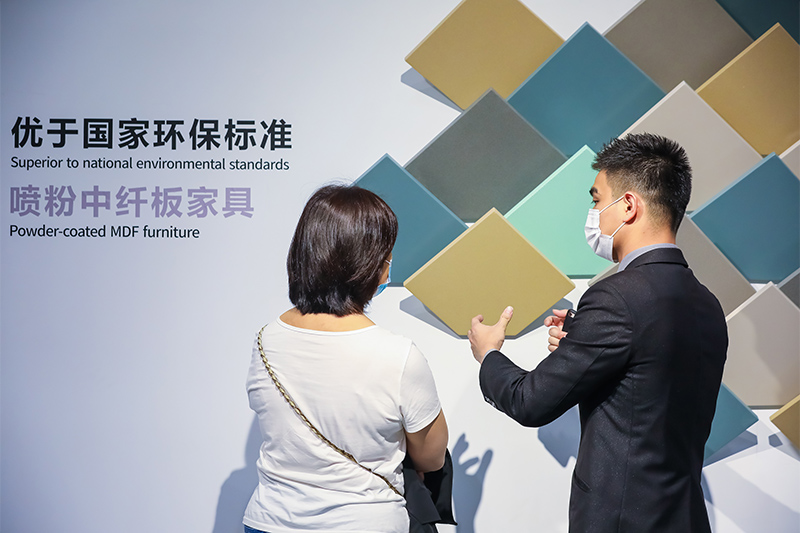
SAOSEN Furniture remains committed to environmental protection, integrating advanced global eco-friendly production equipment. In 2007, it launched MDF eco-friendly powder-coating technology, successfully commercializing environmentally friendly powder-coated products. The company was also among the first in the furniture industry to establish a 110-meter-long UV ultraviolet curing coating production line. With its eco-friendly products, SAOSEN has become a leading enterprise in the green furniture industry cluster.
Since its inception, SAOSEN Furniture has continuously invested in environmental protection for office furniture, driven technological innovation, and created efficient collaborative spaces — making it uniquely qualified to supply office chairs for library study zones that meet the highest standards of ergonomics, sustainability, and institutional durability.

The company has built an efficient marketing network and service system, with branches or offices in major Chinese cities, dealers and service centers in all provincial capitals, and customer after-sales service stations to ensure rapid and high-quality service. Additionally, SAOSEN has agents in over 20 countries and regions, serving a wide range of overseas customers.

SAOSEN Furniture consistently prioritizes product quality and integrity, striving for excellence in procurement, design, production, sales, and after-sales service. As a result, the company has earned widespread recognition and praise from domestic and international clients.
Explore our full portfolio of ergonomic seating solutions designed for every type of library study environment.

Compact ergonomic design optimized for individual library study carrels and reading booths.

Lightweight and stackable for flexible group study zones and library seminar areas.

Executive-grade support for corporate research libraries and academic faculty reading rooms.

Engineered for dual-monitor workstation postures in library digital resource centers.

Age-appropriate ergonomic seating for school and public library children's study sections.

Durable antimicrobial upholstery with wide weight capacity range for public library use.

Healthcare-grade hygiene compliance with fluid-resistant surfaces for hospital library settings.

IoT-enabled posture sensing with auto-adjustment for next-generation smart library study zones.
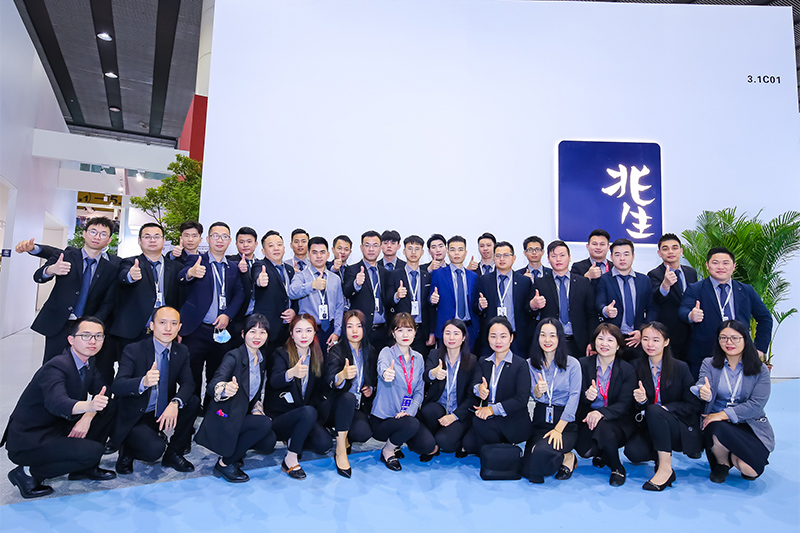
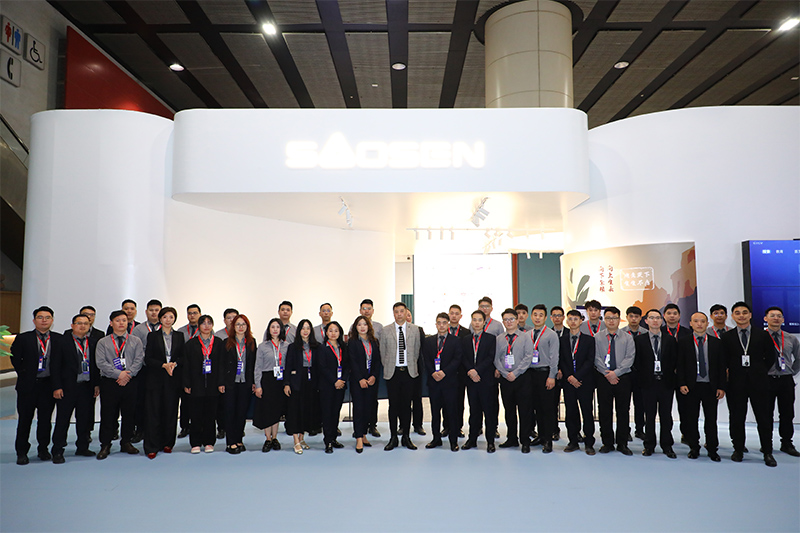
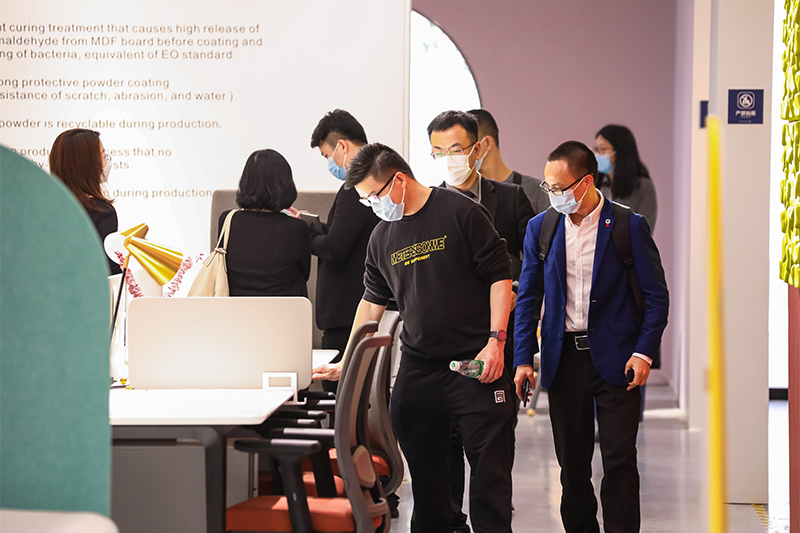
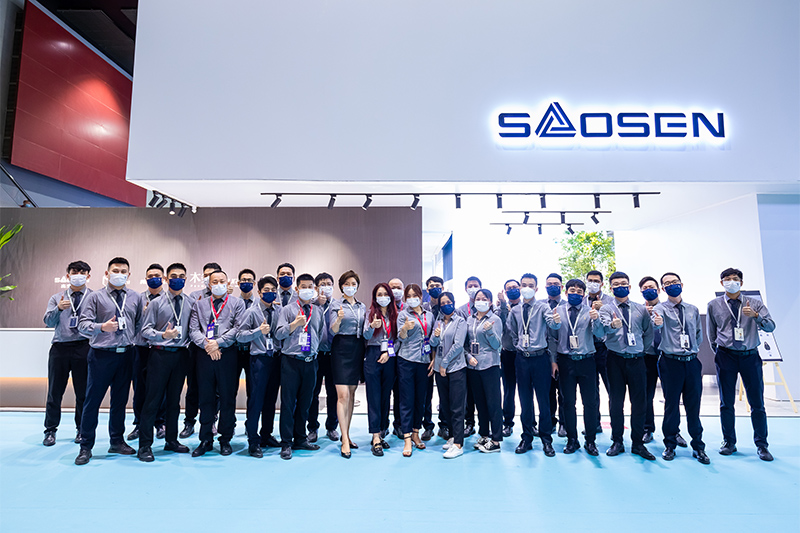
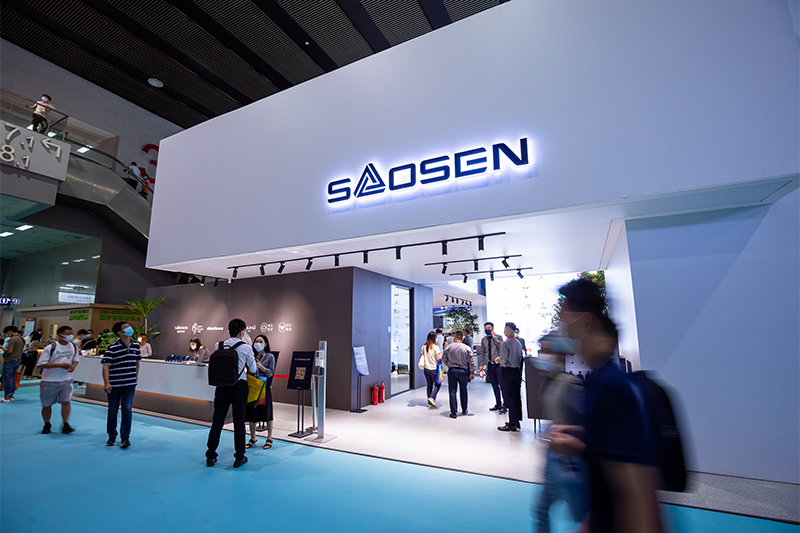
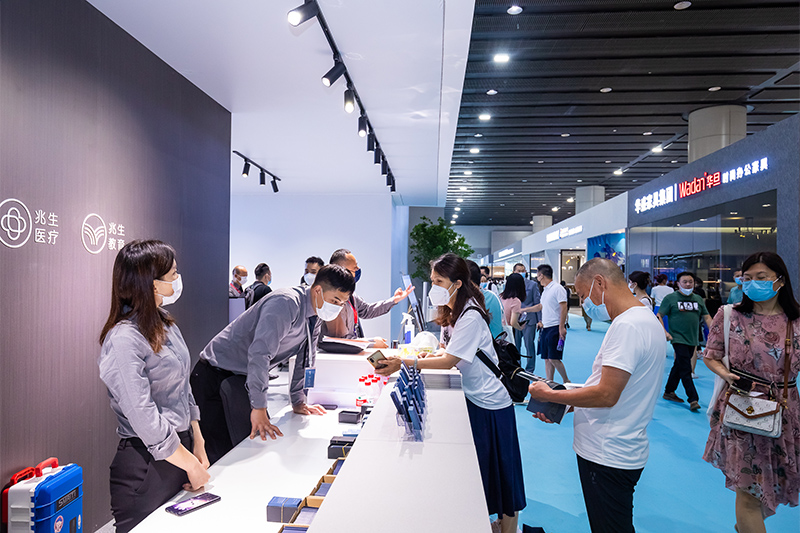
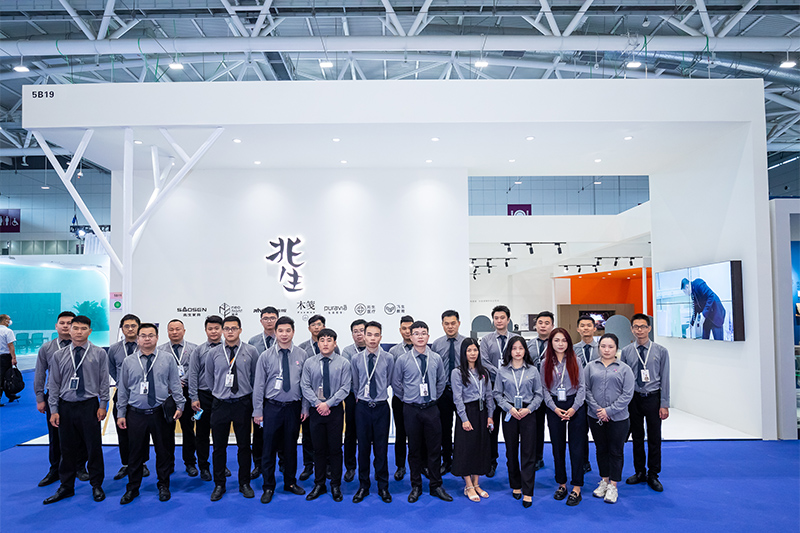
Explore SAOSEN's global exhibition presence, showcasing our latest office chairs and library study zone furniture innovations.


 Rocky(Whatsapp)
 Rocky(Wechat)