
 Commercial Furniture
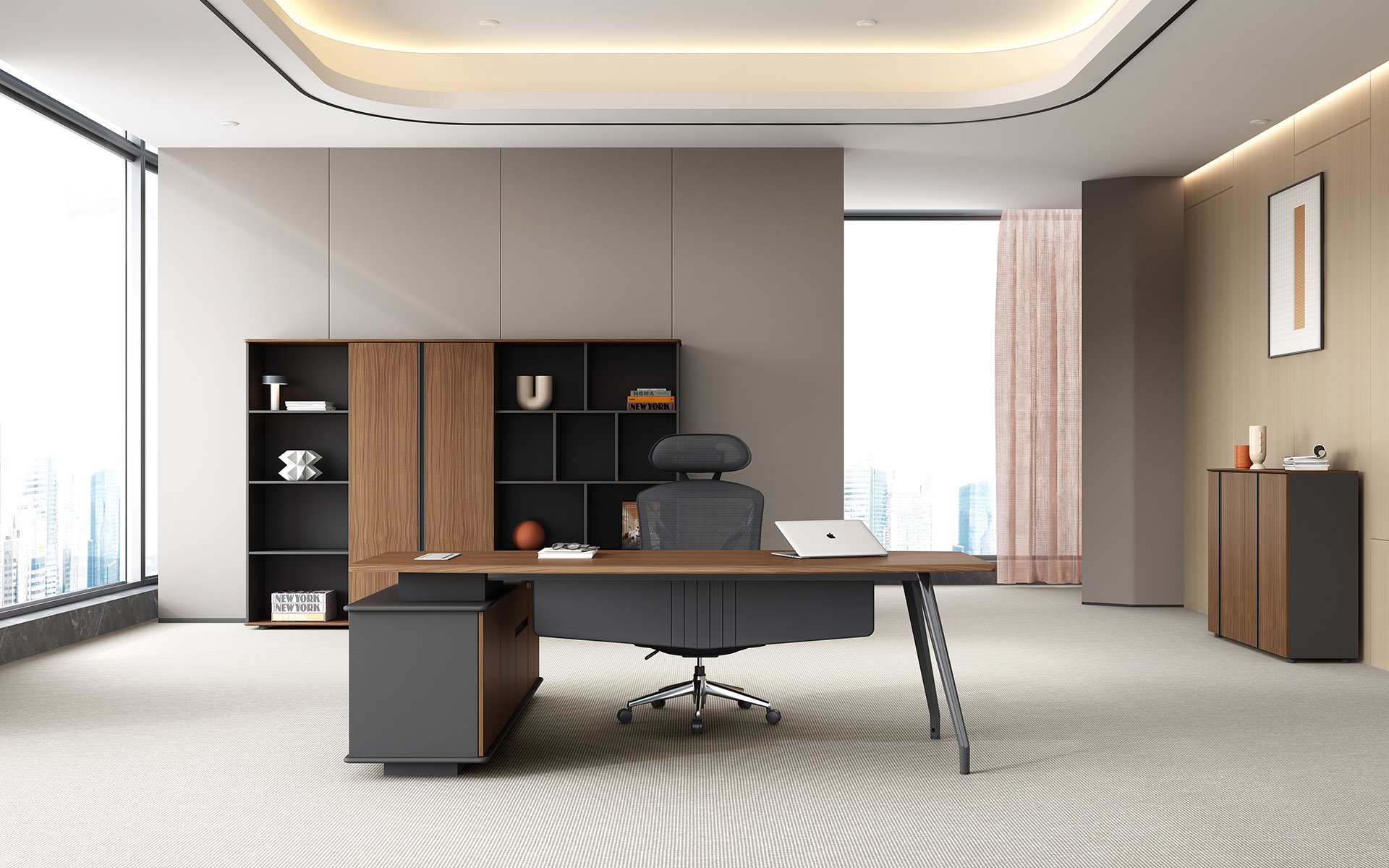 Office Furniture
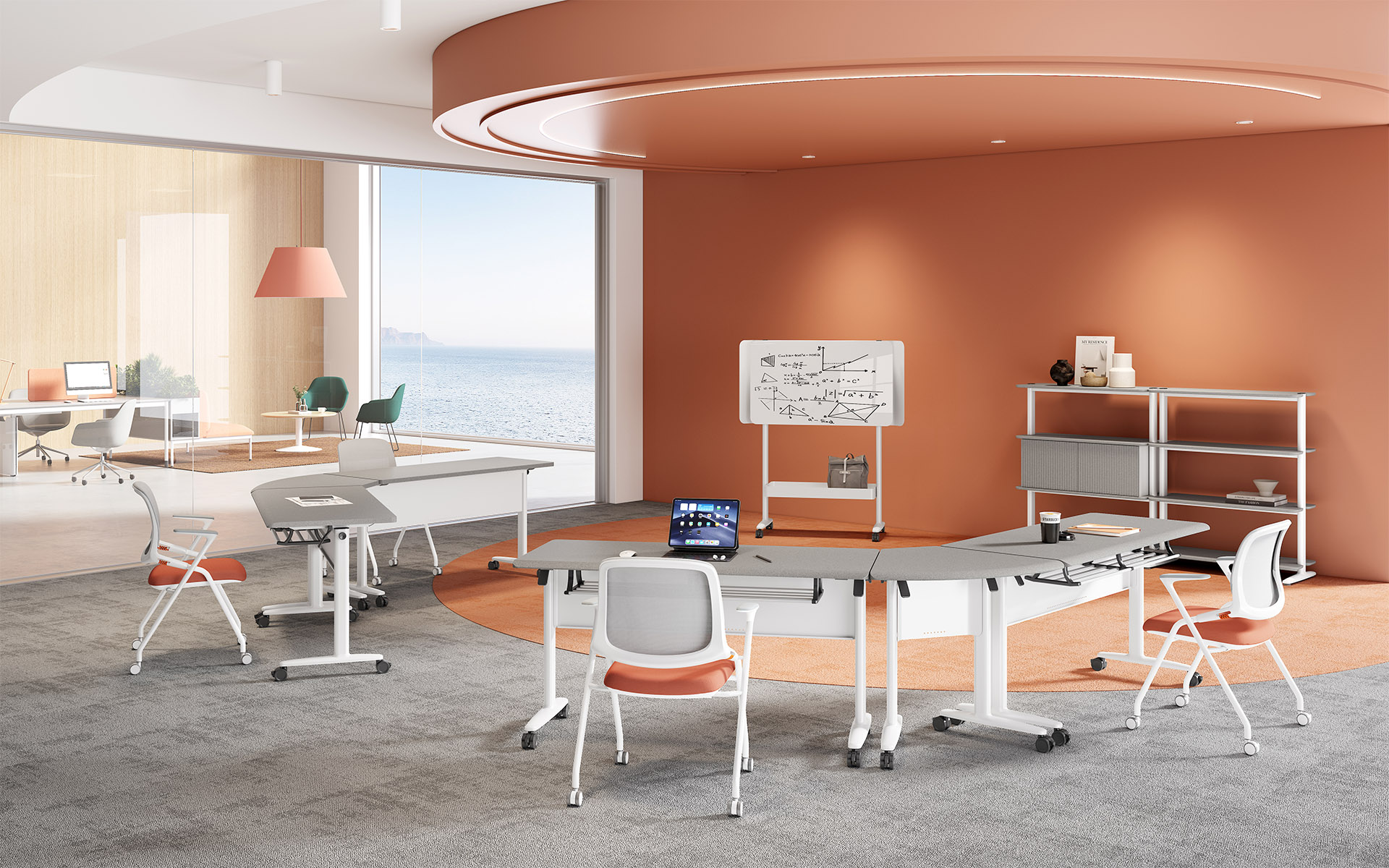 Education Furniture
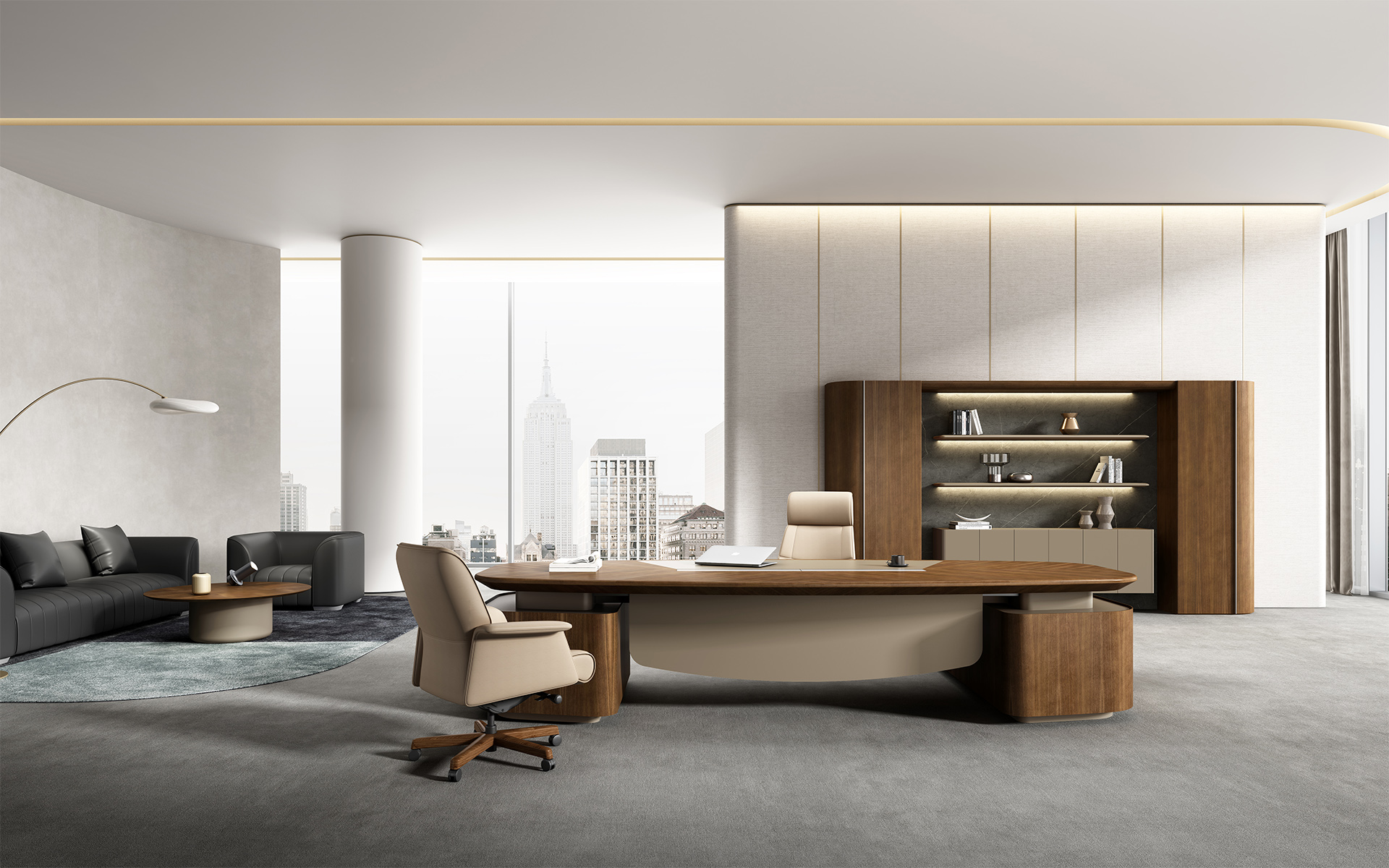 Wood Veneer
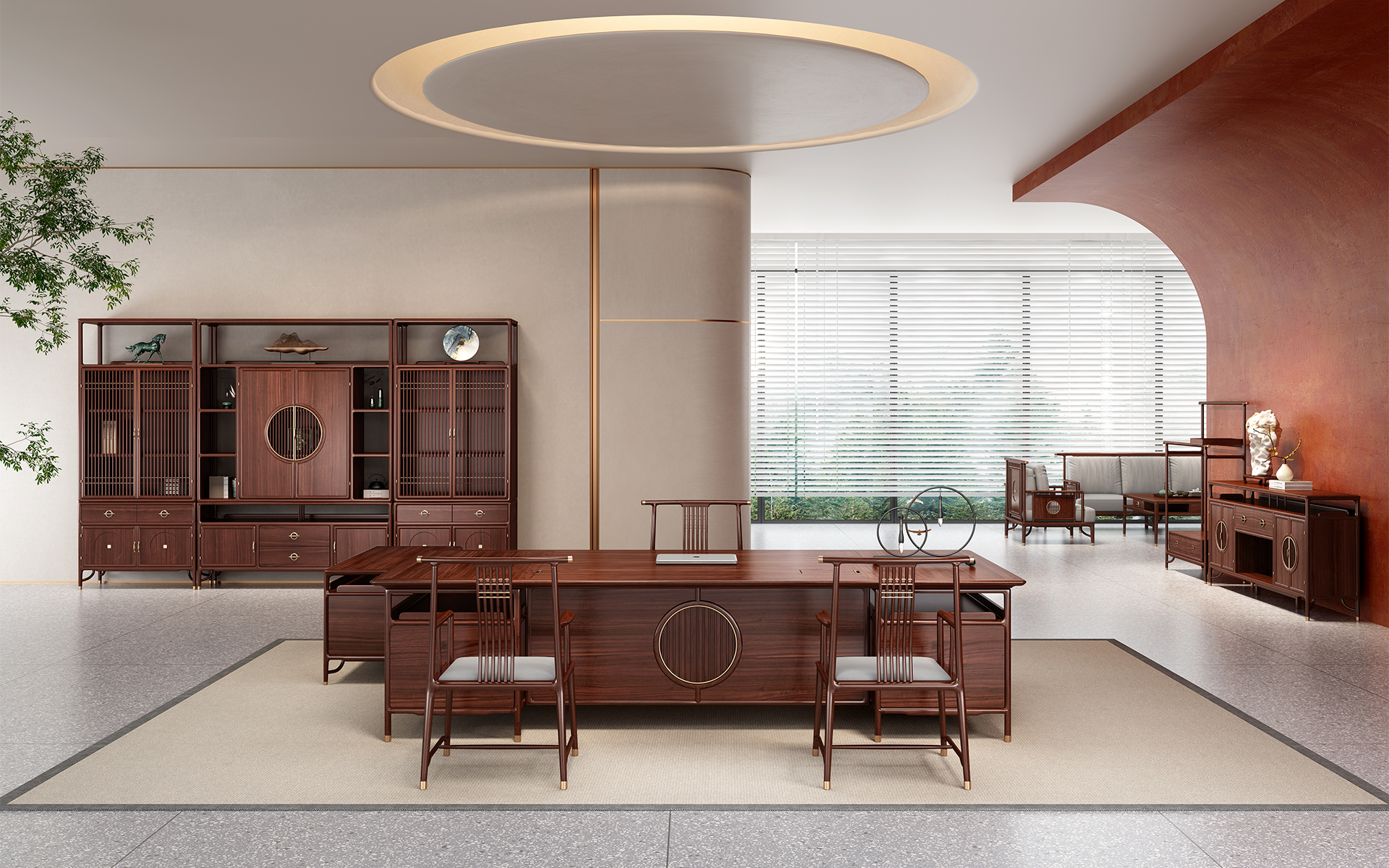 Solid Wood
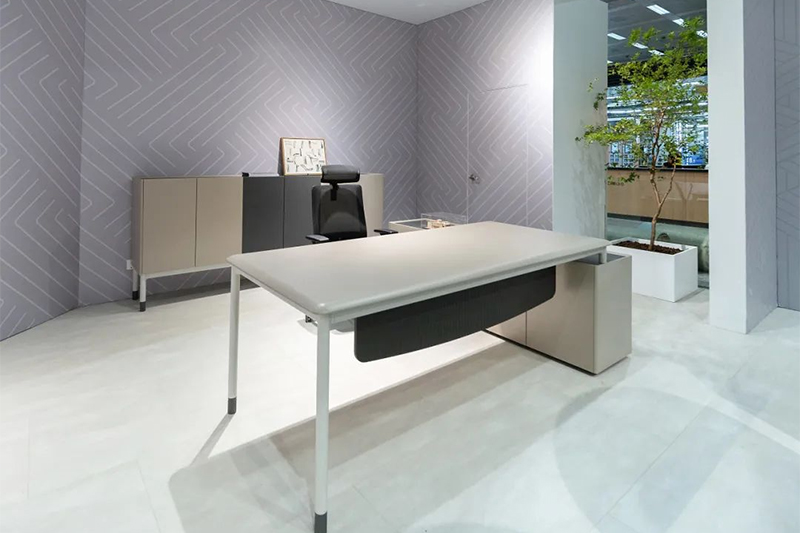 Powder Coated MDF
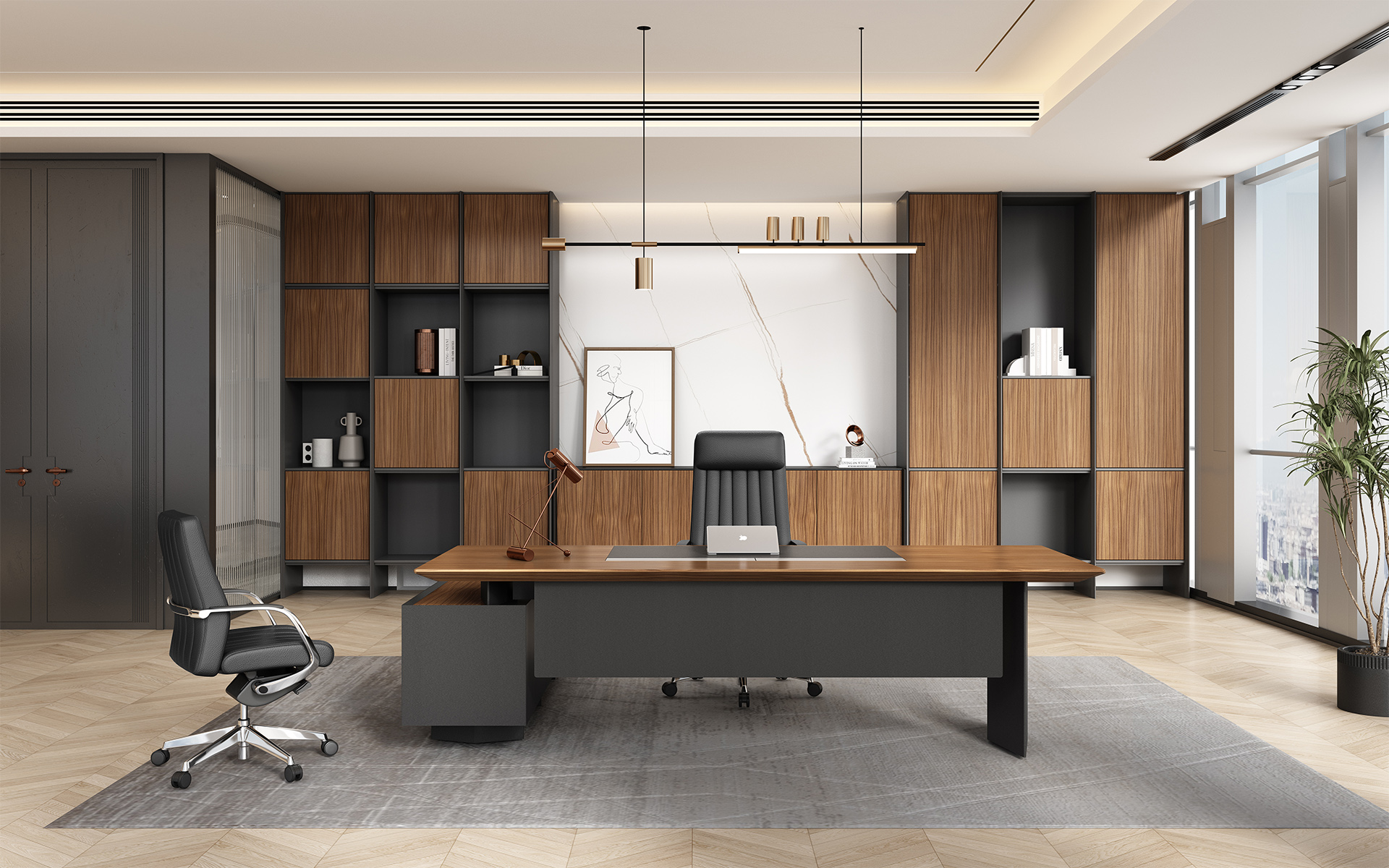 Executive Series
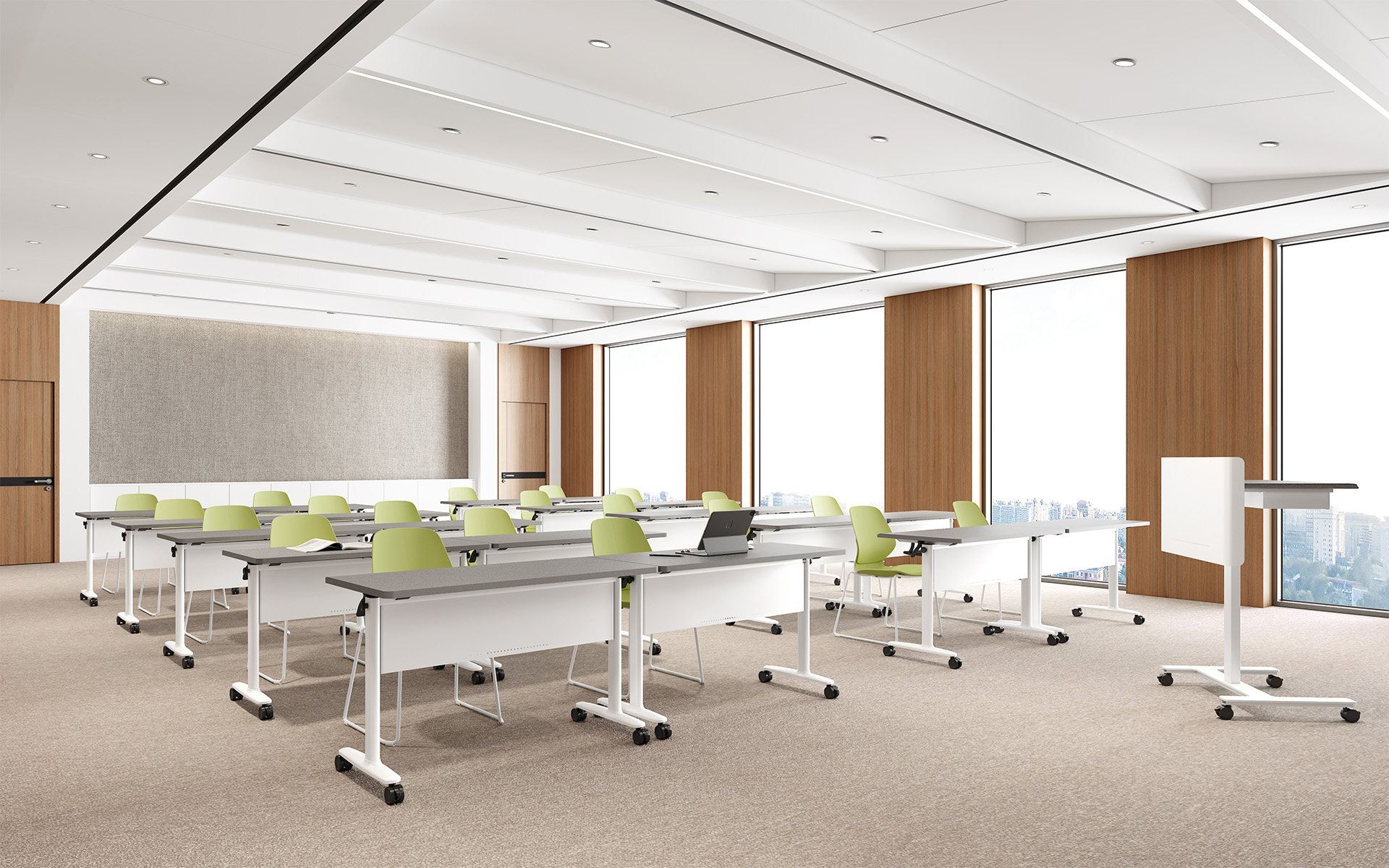 Training Series
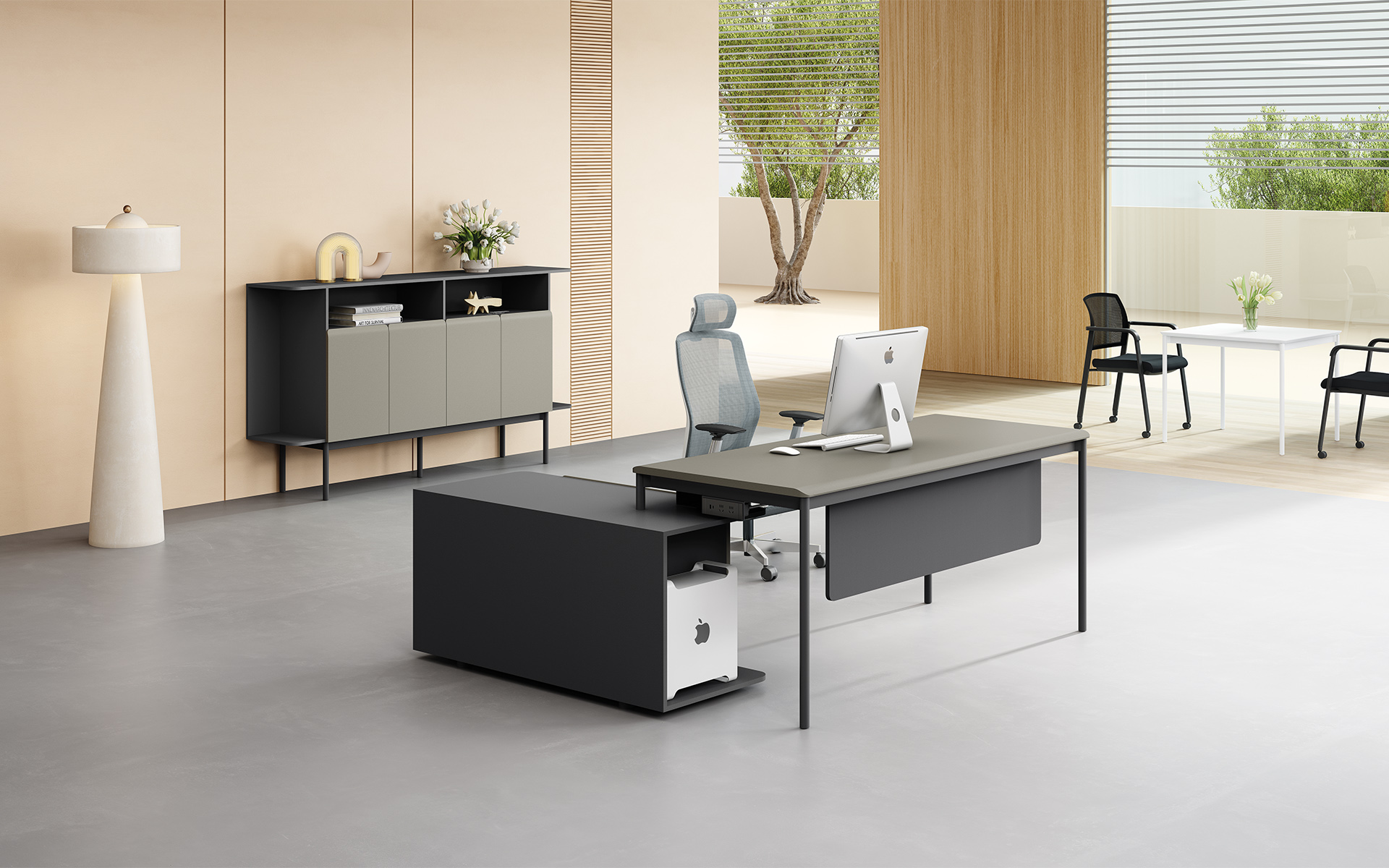 Desks
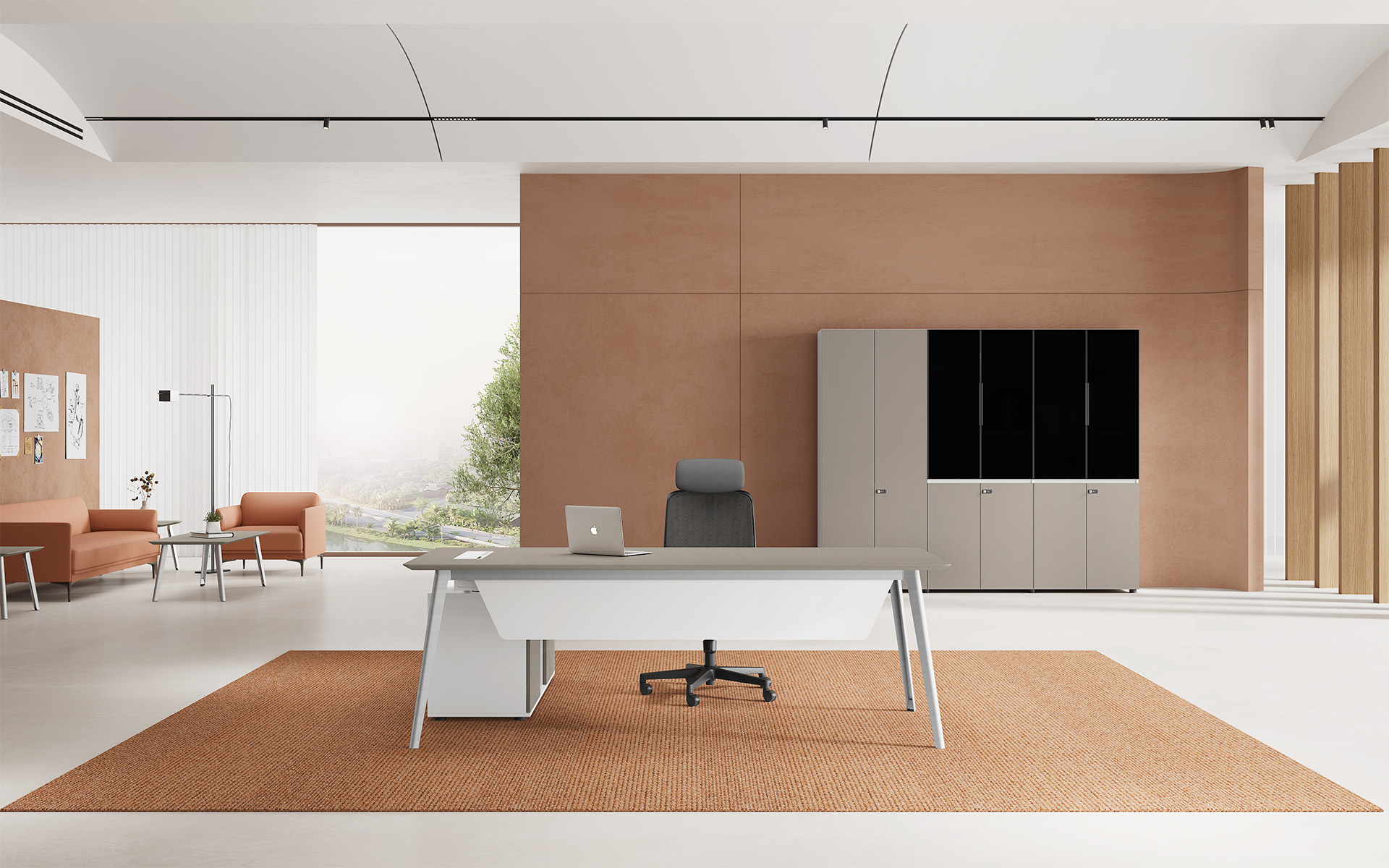 Conference Table


 Rocky(Whatsapp)
 Rocky(Wechat)
Best Seller

Studio Drafting Ergonomic Chair — High-Back Mesh
Full lumbar support and breathable mesh back for all-day architectural drafting comfort.
Inquire Now →Handpicked ergonomic office chairs designed to support the extended creative sessions, technical drafting workflows, and collaborative dynamics unique to architectural design studios.
Full lumbar support and breathable mesh back for all-day architectural drafting comfort.
Inquire Now →
360° swivel with adjustable armrests, optimized for team reviews and pin-up sessions.
Inquire Now →
Sophisticated leather finish with multi-tilt mechanism for firm directors and senior partners.
Inquire Now →
Compact, ultra-adjustable design ideal for hot-desking and agile studio floor plans.
Inquire Now →The global ergonomic office chair market is projected to surpass $12.6 billion by 2030, with architectural and creative design firms among the fastest-growing end-user segments driving premium seating demand.
Architectural design studios represent a uniquely demanding commercial environment for office seating. Unlike conventional corporate offices, these workplaces combine extended computer-aided design (CAD) sessions, physical model-making, large-format drawing reviews, and intense client presentation cycles — all requiring chairs that adapt fluidly to radically different postures and tasks within a single workday.
The average architect or interior designer spends between 7 and 10 hours seated daily, with significant portions of that time in forward-leaning postures associated with precision screen work and technical drafting. This behavioral pattern places extraordinary demands on lumbar support systems, seat depth adjustability, and armrest flexibility — demands that generic office seating simply cannot meet.
🏆 Studies show that ergonomically optimized workplaces in design firms report a 23% increase in output quality and a 31% reduction in musculoskeletal complaints among staff — directly impacting project delivery timelines and talent retention.
From a commercial procurement perspective, architecture firms — particularly mid-to-large studios managing 20 to 200+ workstations — are increasingly treating seating as a strategic investment rather than a commodity purchase. The ROI calculation now extends beyond unit price to encompass productivity gains, reduced sick days, employer brand positioning, and alignment with WELL Building Standard certifications.
Synchronized tilt and recline mechanisms that follow the body during intensive dual-monitor CAD workflows.
GREENGUARD, FSC, and Cradle-to-Cradle certified materials meeting architectural sustainability mandates.
Customizable finishes and upholstery options that reflect studio identity and impress clients during site visits.
Tool-free micro-adjustment of seat height, lumbar depth, and armrest angle for diverse body types and tasks.
From AI-driven personalization to biophilic material innovation, the office chair industry serving architectural studios is undergoing a fundamental transformation driven by health science, sustainability mandates, and hybrid work models.
Next-generation chairs integrate embedded pressure sensors and AI algorithms that automatically adjust lumbar support, seat tilt, and armrest positioning in real time based on the user's posture data. For architects who alternate between drafting, model review, and video conferencing, this dynamic adaptation eliminates manual reconfiguration and maintains optimal spinal alignment throughout the day.
Architecture firms, as professional advocates for sustainable construction, increasingly mandate that their own studio environments reflect their values. The industry is responding with chairs built from recycled ocean plastics, bio-based foams, and fully disassemblable frames designed for end-of-life material recovery. SAOSEN's environmental R&D program has been at the forefront of this shift since its early years.
Post-pandemic architectural studios have embraced activity-based working (ABW) models where seating must support rapid transitions between individual focus work, team pin-up reviews, client presentations, and video calls. Chairs with ultra-portable designs, quick-adjust mechanisms, and stacking capabilities are now prioritized in new studio fit-outs, replacing the traditional fixed-desk paradigm.
The WELL Building Standard's Mind and Movement concepts are driving architecture firms to document and certify their own workplace ergonomics. Procurement teams now require chairs that come with third-party ergonomic certification data, seat pressure mapping reports, and documented adjustment range specifications — transforming seating from a facilities decision into a strategic wellness investment.
International architectural firms with studios across multiple continents are shifting toward regional manufacturing partnerships to reduce lead times, carbon footprint, and geopolitical supply risk. Chinese manufacturers like SAOSEN — with established international management teams and global distribution infrastructure — are uniquely positioned to serve as strategic partners for multi-site studio fit-outs across Asia, Europe, and the Americas.
Leading architecture practices — from boutique 10-person studios to global firms — are increasingly commissioning bespoke seating solutions that reflect their design philosophy and brand identity. Manufacturers with strong original design capabilities and collaborative development programs, such as SAOSEN's partnerships with top-tier global design firms, are capturing this premium market segment.
Architectural design studios are not monolithic environments. From the principal's office to the model-making workshop, each zone demands a distinct seating solution optimized for its specific workflow intensity and physical demands.
Architects and technicians working in Building Information Modeling (BIM) environments spend 6–9 hours in fixed forward-leaning postures, navigating complex 3D models across multiple monitors. Chairs deployed here require continuous lumbar adjustment, forward-tilt seat mechanisms, and height ranges accommodating both standard and standing-desk transitions. The ideal BIM workstation chair provides dynamic lumbar support that follows spinal movement rather than requiring manual repositioning during intensive modeling sessions.
Design review sessions in architectural studios involve rapid movement between seated critique, standing discussion, and close-up examination of drawings pinned to walls. Seating in these zones must be lightweight enough for quick repositioning, stable enough for perching during brief standing-adjacent use, and visually neutral enough not to dominate the spatial aesthetic during client presentations. Swivel bases with smooth-glide casters on hard studio floors are essential functional requirements.
The offices of founding partners and studio directors serve a dual function: as private workspaces for strategic thinking and as client-facing meeting environments that communicate the firm's design values. Executive chairs in these spaces must balance premium material quality and sophisticated aesthetics with genuine ergonomic performance. Leather or high-end woven upholstery, refined metallic bases, and discreet adjustment mechanisms are the defining characteristics of chairs appropriate for this context.
Architecture firms regularly host clients for project briefings, design presentations, and construction review meetings. Seating in these environments must project confidence, comfort, and design sophistication simultaneously. Chairs that are visually striking, immediately comfortable for guests unfamiliar with ergonomic adjustment, and easily configurable for groups of 4 to 20 people represent the highest-value procurement decision in the studio's seating portfolio.
Physical model-making and prototype fabrication areas require seating that accommodates non-standard working heights, resists adhesive and material contamination, and supports the unusual postures involved in fine-scale manual work. Counter-height stools with footrests, easy-clean surfaces, and stable five-star bases are the appropriate solution for these increasingly important zones within contemporary architectural studios that integrate digital fabrication with traditional model-making.
Progressive architectural studios are creating dedicated innovation zones where interdisciplinary teams — architects, engineers, sustainability consultants, and urban planners — converge for intensive design sprints. These environments require seating that supports both formal workshop formats and informal ideation sessions, with the flexibility to create circles, clusters, and classroom configurations within the same space. Lightweight stacking chairs combined with mobile ergonomic task seating represent the optimal furniture strategy for these dynamic zones.
Accompanying the pace of China's reform and opening-up, SAOSEN established the SAOSEN Furniture Factory in 1984. In 1996, it was re-registered as "Dongguan SAOSEN Furniture Industrial Co., Ltd.," entering the brand development stage. In 2025, SAOSEN entered a new phase of group development, with the formal establishment of Guangdong SAOSEN Furniture Co., Ltd.
SAOSEN Furniture was among the first in China's furniture industry to introduce an international management team, collaborate with top-tier global design firms and designers, and emphasize original design. It was also an early pioneer in environmental research and development for furniture. After decades of growth, the company now operates three production bases.
Contact us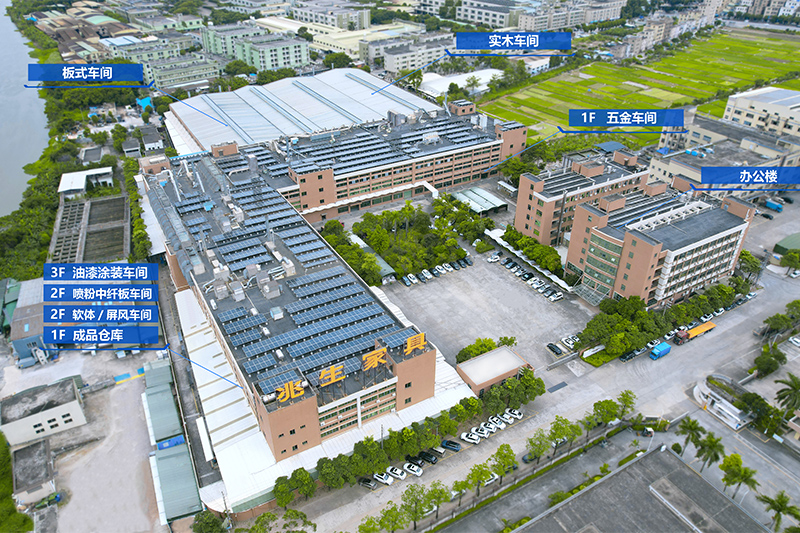
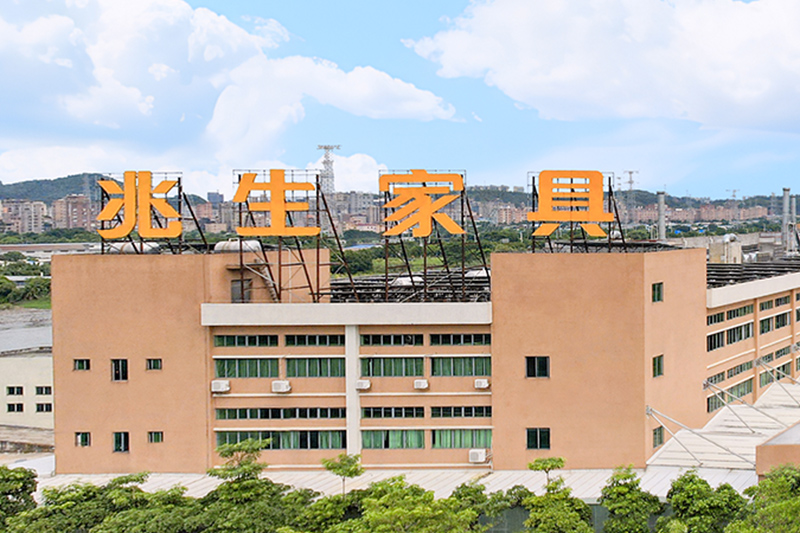
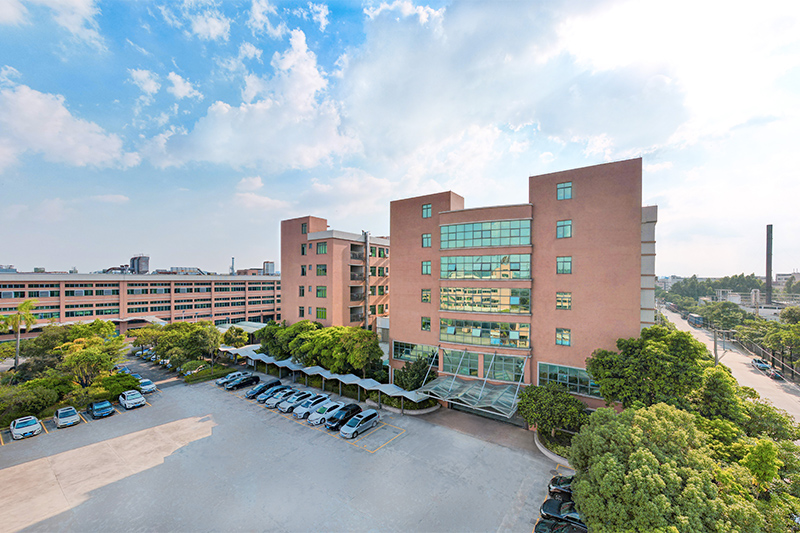
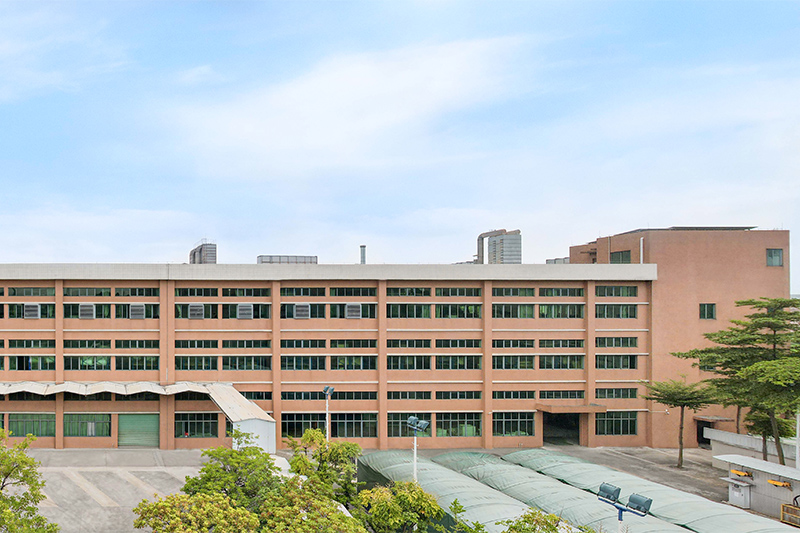
Over the course of more than 30 years of development, it has always led the trend of the office furniture industry.
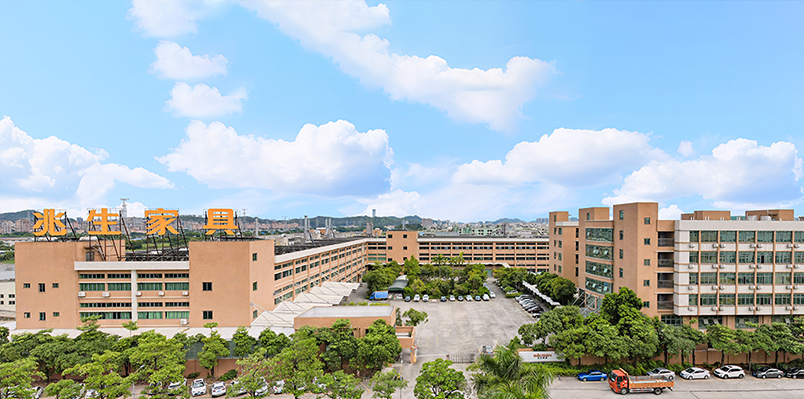
SAOSEN Furniture is a comprehensive manufacturer specializing in the research, development, production, and sales of office furniture, as well as furniture for financial institutions, hotels, education (schools and libraries), healthcare and elderly care, and residential use.
Guided by the corporate spirit of "innovation, sustainability, employee focus, integrity, and commitment," the company has consistently led the trends in office furniture over its 30-plus years of development.
From entry-level studio task chairs to premium executive seating for senior partners, our complete architectural studio collection covers every role, zone, and budget within your design practice.

Dynamic lumbar support designed for sustained architectural drafting sessions.
Inquire Now →
High-tensile mesh back for optimal airflow during long studio working hours.
Inquire Now →
Counter-height stool with footring for model-making and fabrication lab use.
Inquire Now →
Elegant stackable design for client presentation rooms and design review spaces.
Inquire Now →
Synchronized tilt mechanism engineered for multi-monitor BIM and rendering workstations.
Inquire Now →
Contemporary lounge seating for studio breakout zones and informal ideation areas.
Inquire Now →
Forward-tilt perch stool for active sitting at standing-height studio desks and light tables.
Inquire Now →
Flagship executive chair for architecture firm directors combining premium materials with elite ergonomics.
Inquire Now →Partner with SAOSEN to create a seating environment that enhances creativity, supports wellbeing, and reflects the design excellence your studio stands for. Get a customized quote for your studio fit-out today.
Request a Studio Consultation