
 Commercial Furniture
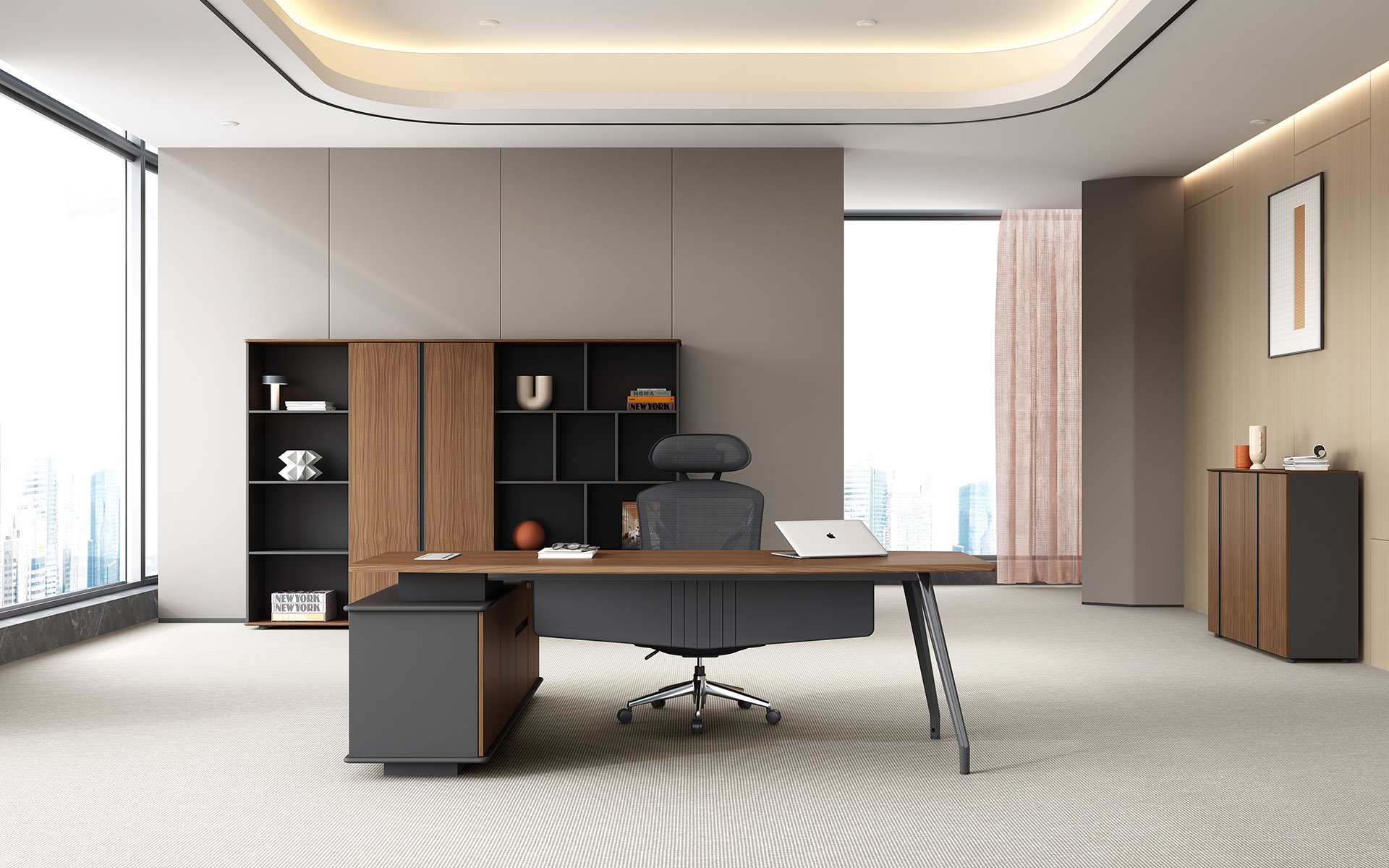 Office Furniture
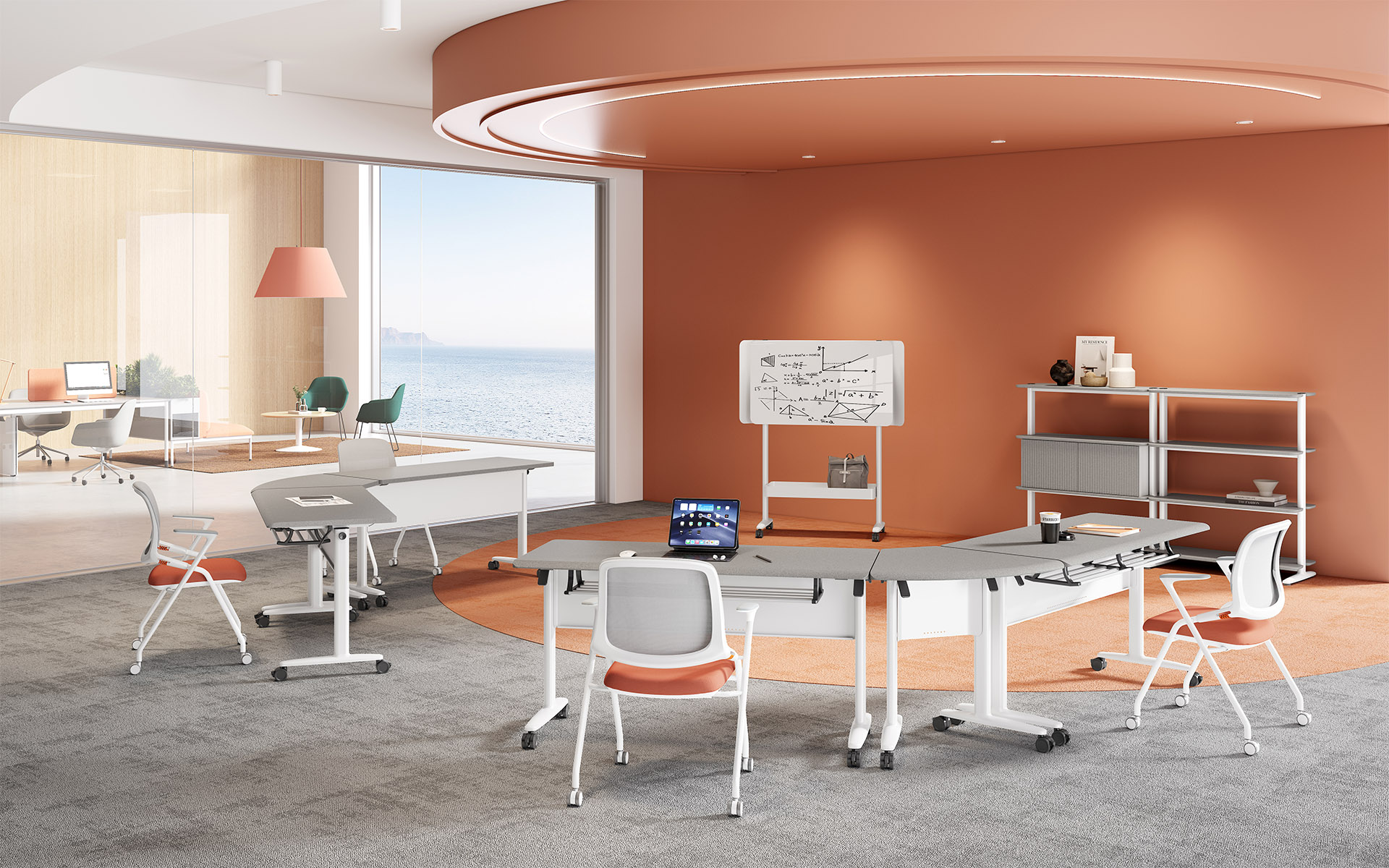 Education Furniture
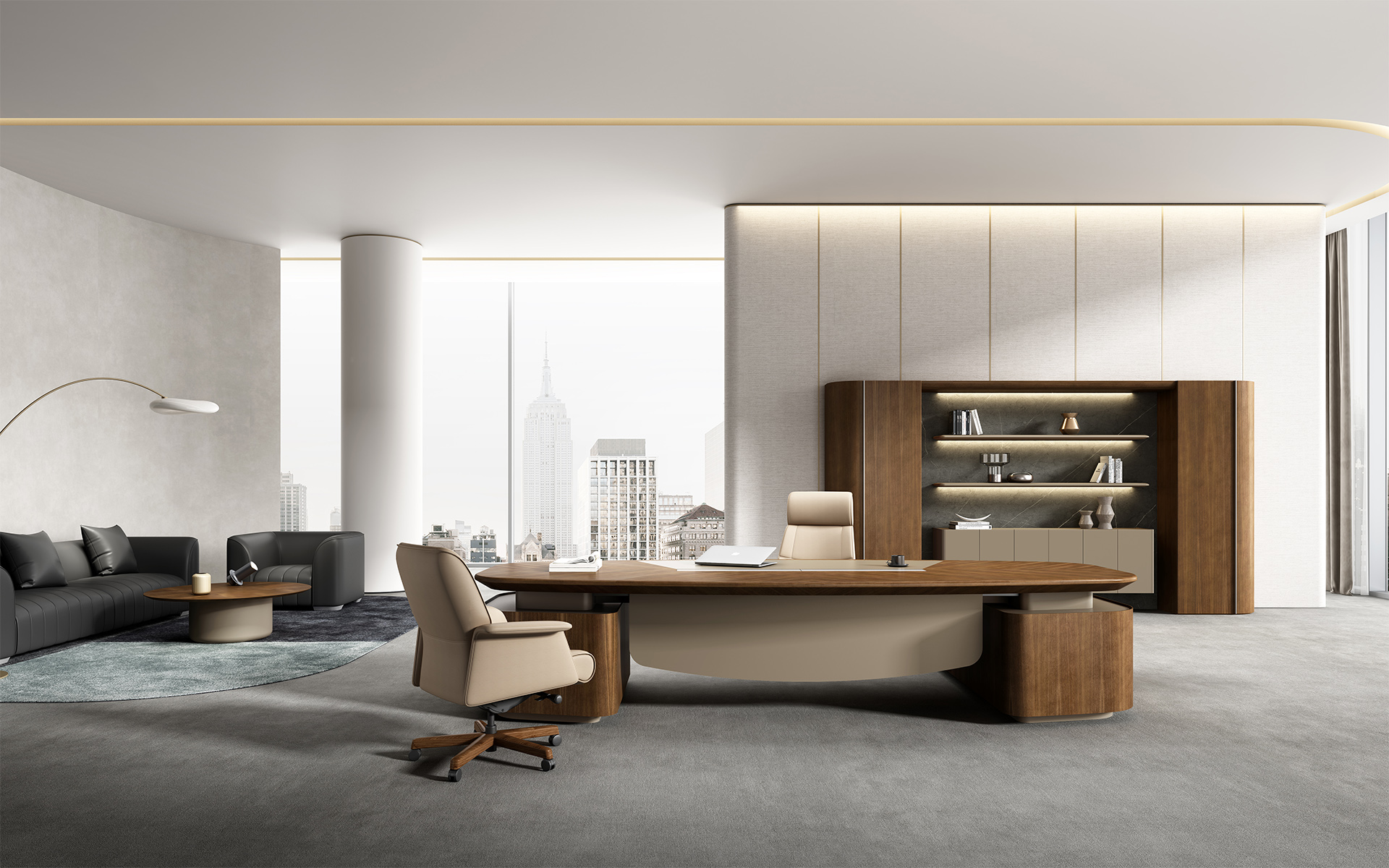 Wood Veneer
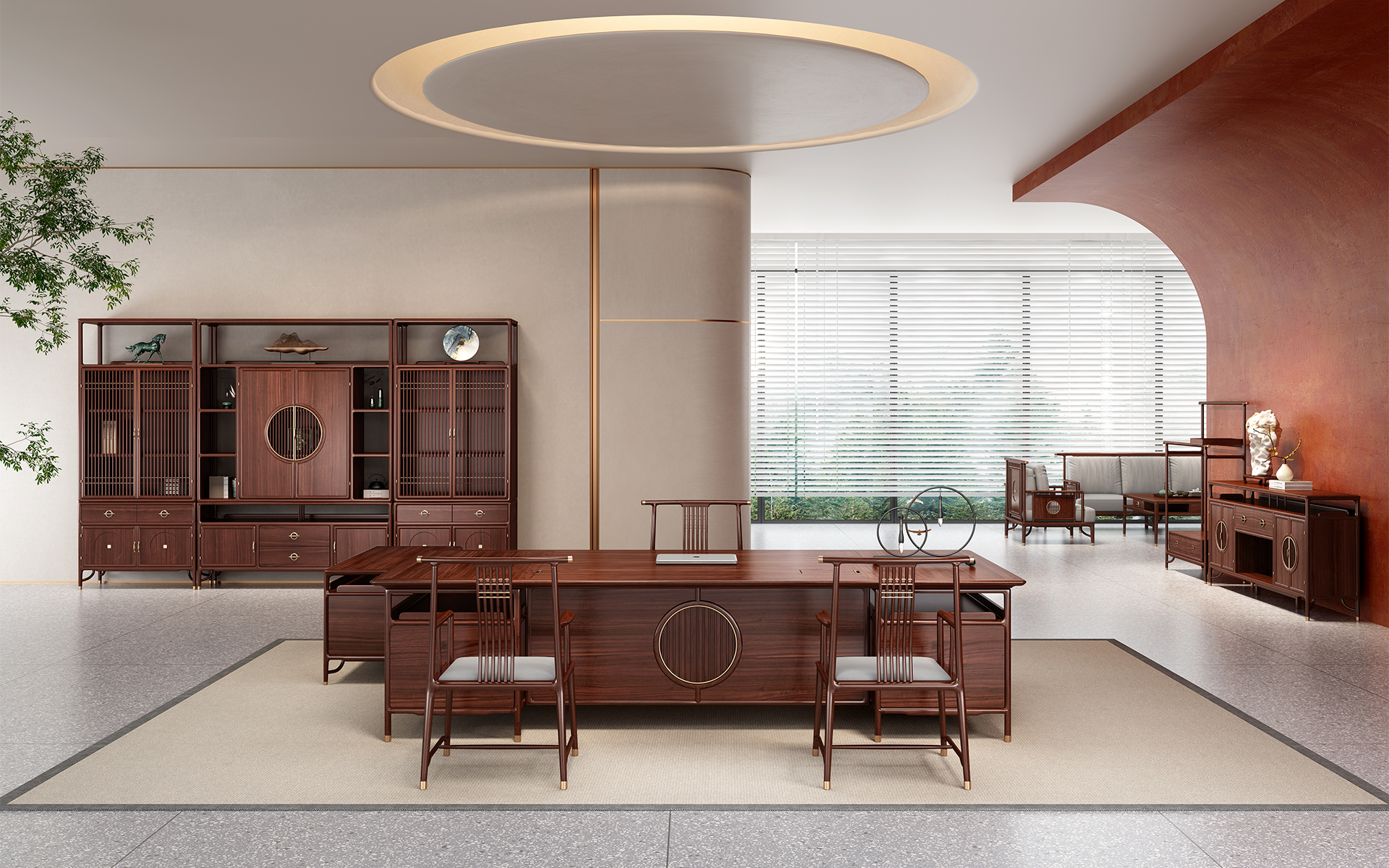 Solid Wood
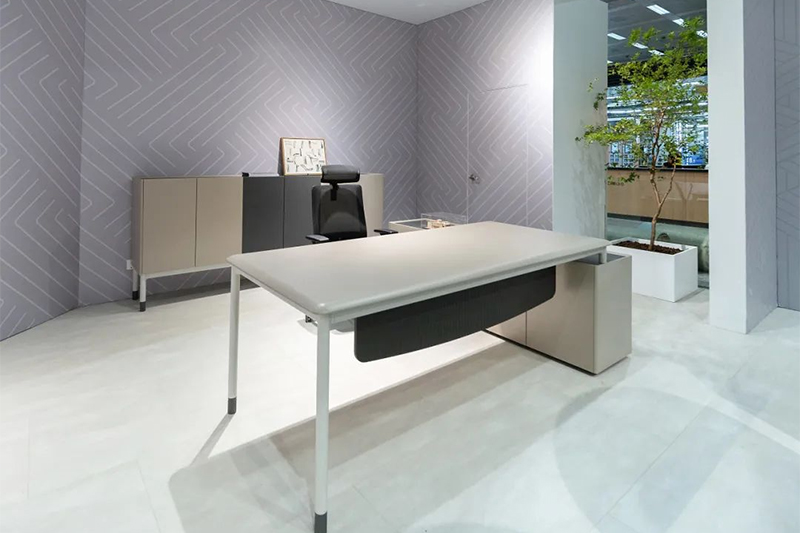 Powder Coated MDF
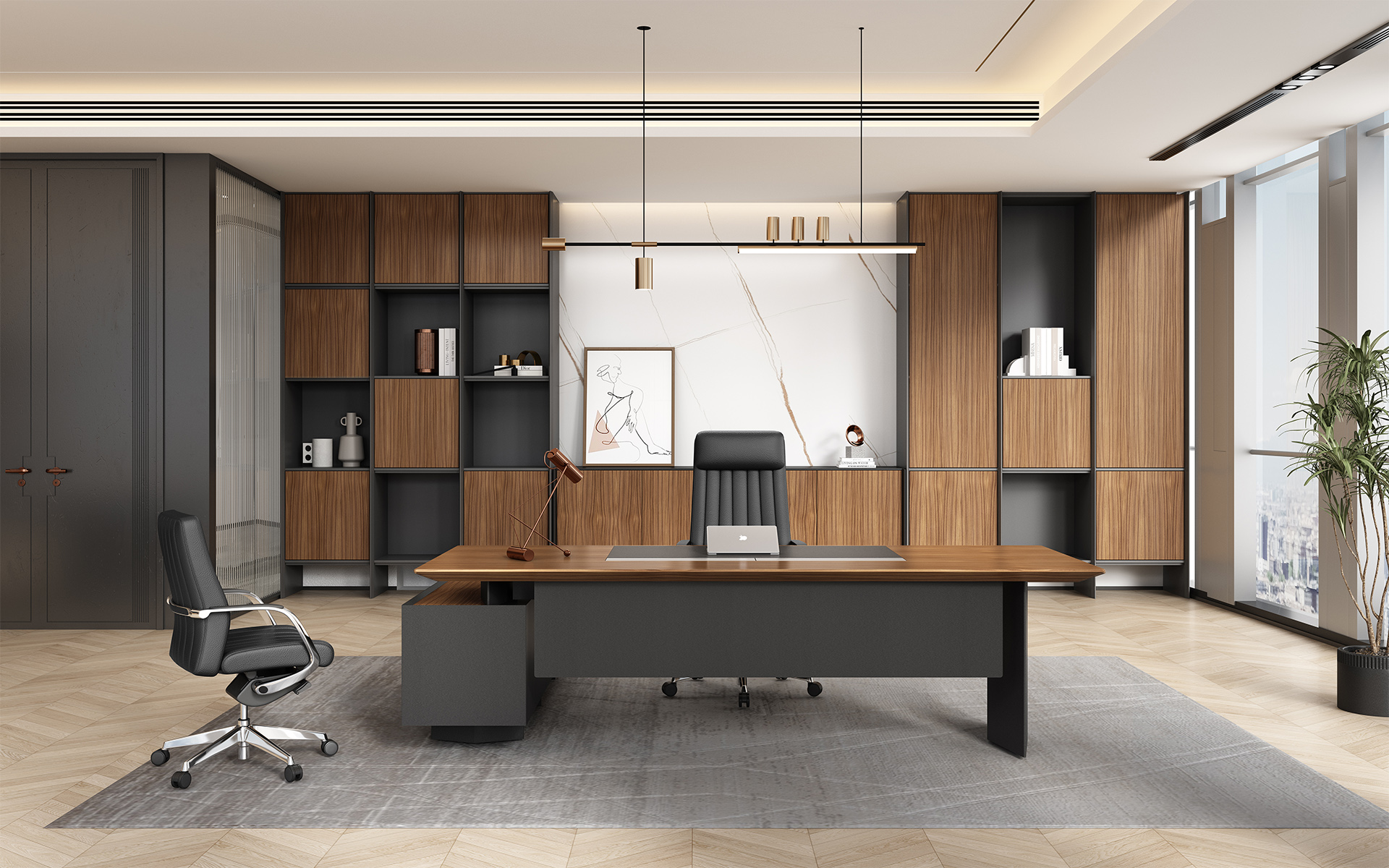 Executive Series
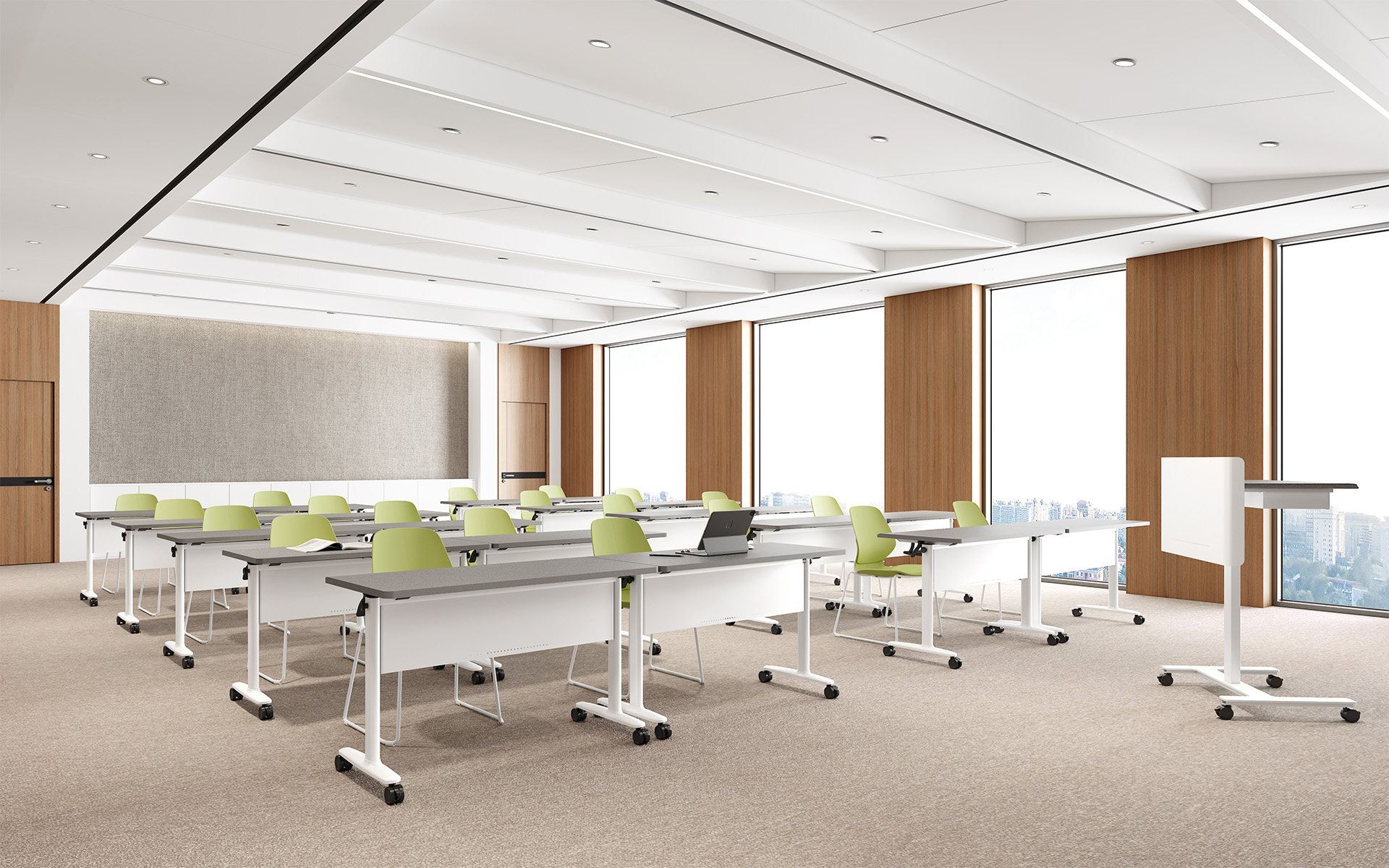 Training Series
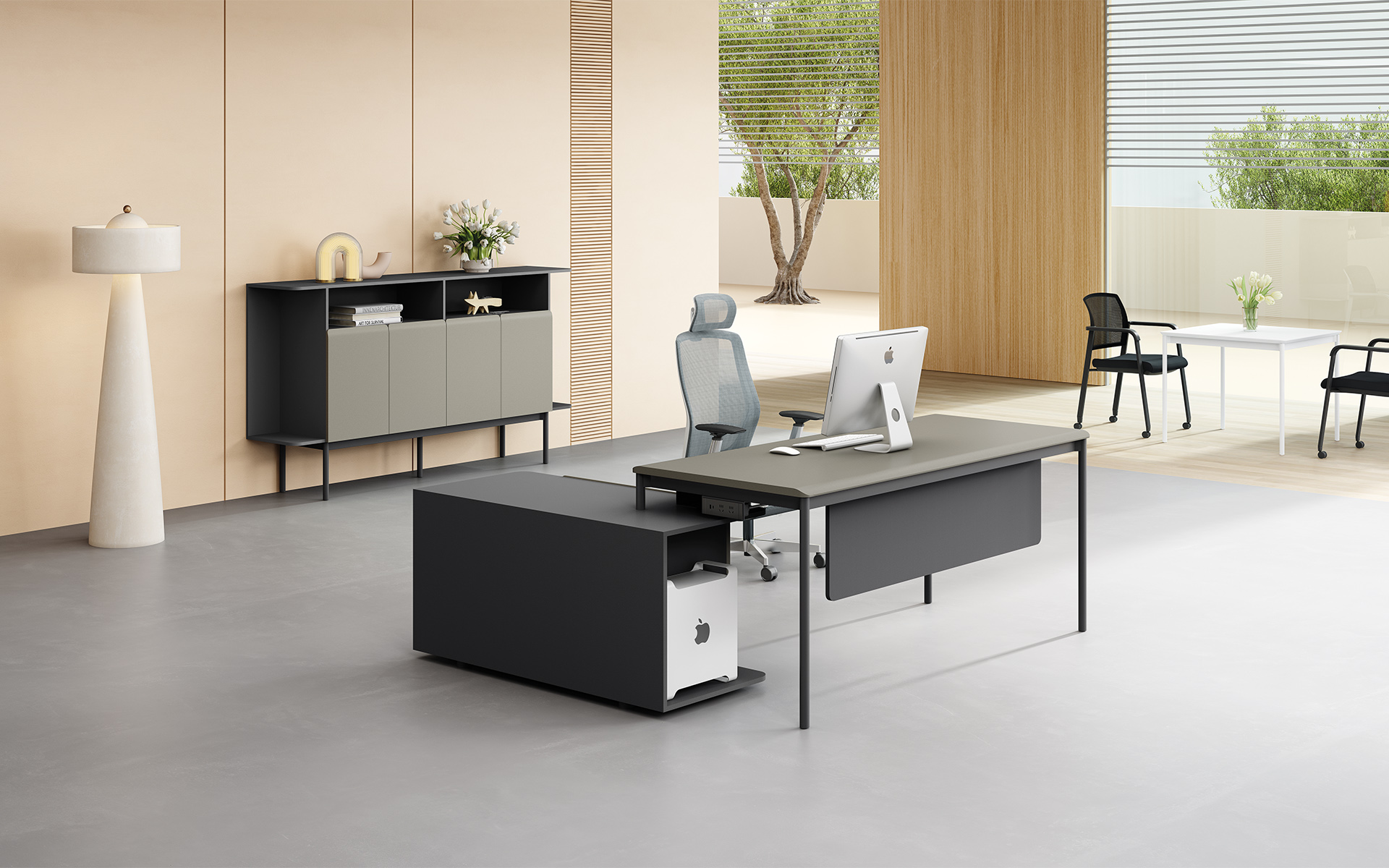 Desks
 Conference Table
Leave Your Message
Explore our flagship leather seating collection — purpose-built for the demands of modern university lecture halls and academic spaces.
The global market for premium leather office seats in university and academic environments is undergoing significant transformation driven by evolving campus design philosophies and user experience priorities.
The university lecture hall seating market is projected to exceed USD 4.2 billion by 2028, with premium leather segments growing at 6.8% CAGR as institutions invest in enhanced learning environments.
Over 70% of newly constructed university lecture halls in Asia-Pacific and Europe now specify premium or semi-premium seating materials, with leather and PU leather dominating specification lists for VIP and executive academic spaces.
Eco-friendly leather alternatives, including bio-based PU leather and recycled materials, are reshaping procurement decisions. Universities are increasingly demanding BIFMA, GREENGUARD, and ISO-certified seating products.
Four key forces are reshaping how universities select, specify, and deploy leather office seating across lecture halls, seminar rooms, and faculty spaces.
Next-generation leather office seats for lecture halls are embedding ergonomic intelligence — adjustable lumbar support, dynamic recline mechanisms, and posture-monitoring compatibility — to support extended learning sessions of 2–4 hours without fatigue. Universities report a measurable correlation between seating comfort and student engagement metrics.
Modern lecture halls demand seating that transitions between traditional lecture formats, collaborative workshops, and examination settings. Leather seats with stackable, linkable, and reconfigurable frames are gaining rapid adoption in multi-purpose academic buildings, reducing total cost of ownership.
Post-pandemic procurement guidelines at major universities worldwide now mandate antimicrobial surface treatments on all high-contact furniture. Advanced PU leather with nano-silver coating and seamless stitching designs are becoming the new standard for lecture hall seating specifications.
Universities are treating interior design as a competitive differentiator in student recruitment. Custom leather color palettes, embossed institutional logos, and coordinated seating collections that align with campus architectural themes are increasingly specified in major capital projects and refurbishments.
Leather office seats serve a diverse spectrum of environments within university campuses — each with distinct functional and aesthetic requirements.
Large-capacity lecture theatres demand seating that delivers consistent comfort across every row, durable leather surfaces that withstand 8–10 hours of daily use, and fold-down seat mechanisms that maximize aisle width for evacuation compliance. SAOSEN's lecture hall leather seats feature reinforced steel frames rated for 150,000+ fold cycles, ensuring a 15+ year operational lifespan in high-traffic academic environments.
High-Capacity VenuesBusiness schools and executive education centers specify high-back leather executive chairs that project authority and professionalism. These environments prioritize lumbar support for extended case-study sessions, premium grain leather or full-grain cowhide upholstery, and synchronized tilt mechanisms. SAOSEN's executive leather chair range is a preferred choice for top-tier business schools across Greater China and Southeast Asia.
Executive EducationAcademic researchers and faculty members require leather office chairs that support long hours of reading, writing, and screen-based work. Task-oriented leather chairs with adjustable armrests, seat depth adjustment, and breathable leather panels address the specific ergonomic needs of academic professionals who spend 6–10 hours daily at their desks.
Faculty & ResearchUniversity-hosted international conferences, symposia, and academic forums require seating that combines the prestige of premium leather with practical features such as writing tablets, power-charging integration, and rapid reconfiguration capability. SAOSEN's conference leather seating solutions have been deployed in leading university conference centres across China, Europe, and the Middle East.
Conference & EventsLeather seating communicates institutional prestige, provides unmatched tactile comfort during extended academic sessions, and offers superior durability compared to fabric alternatives — with a typical service life of 10–20 years in commercial-grade applications. For universities investing in long-term campus infrastructure, leather office seats deliver the optimal balance of lifecycle value, aesthetic appeal, and occupant wellbeing.
Explore Full Leather Seating RangeAccompanying the pace of China's reform and opening-up, SAOSEN established the SAOSEN Furniture Factory in 1984. In 1996, it was re-registered as "Dongguan SAOSEN Furniture Industrial Co., Ltd.," entering the brand development stage. In 2025, SAOSEN entered a new phase of group development, with the formal establishment of Guangdong SAOSEN Furniture Co., Ltd.
SAOSEN Furniture was among the first in China's furniture industry to introduce an international management team, collaborate with top-tier global design firms and designers, and emphasize original design. It was also an early pioneer in environmental research and development for furniture. After decades of growth, the company now operates three production bases.
Contact Us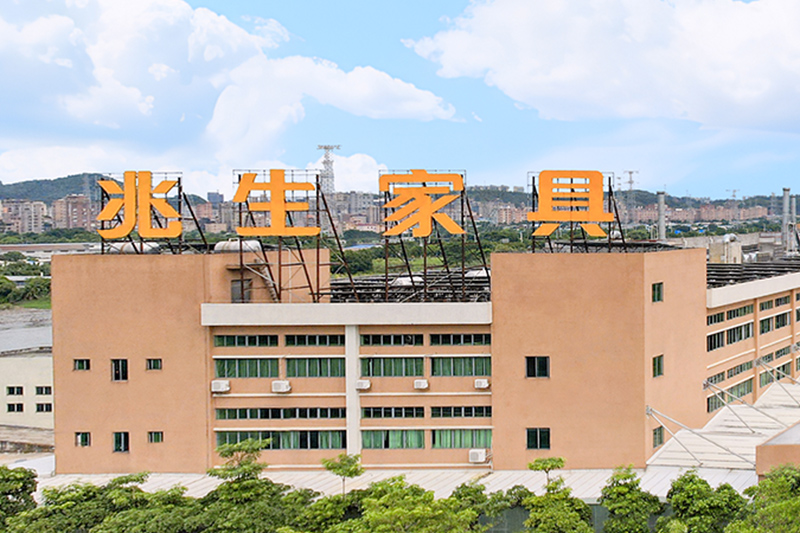
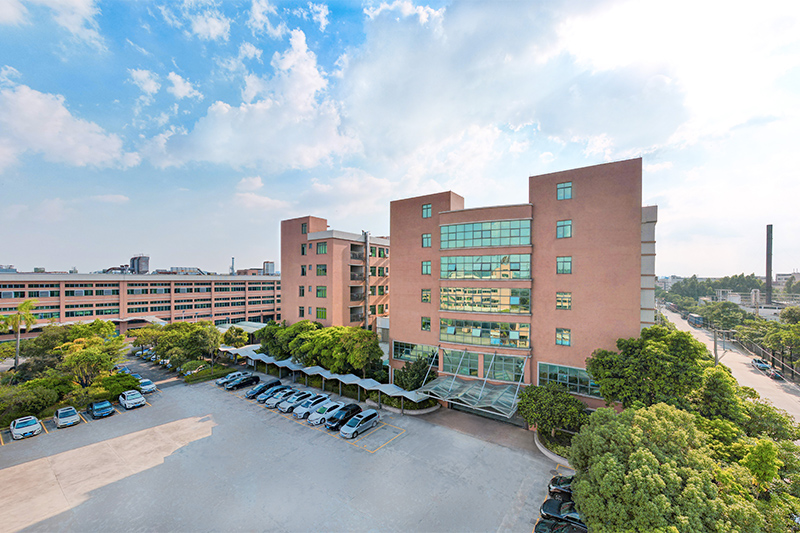
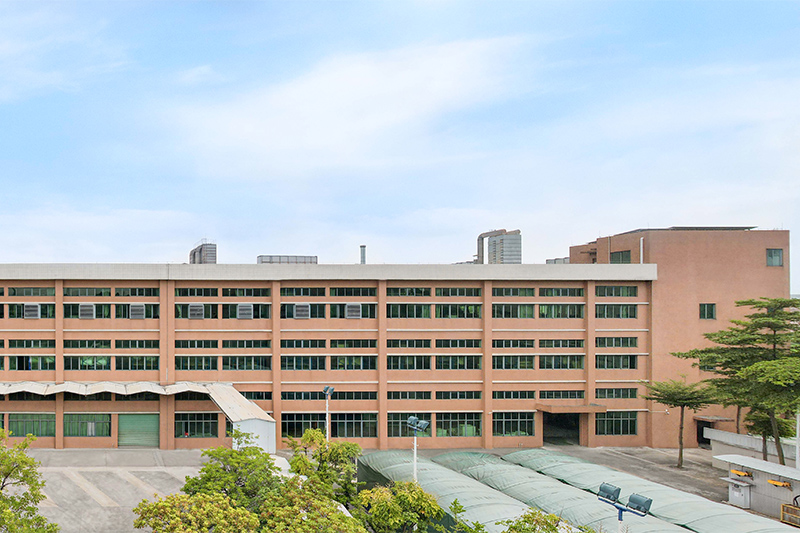
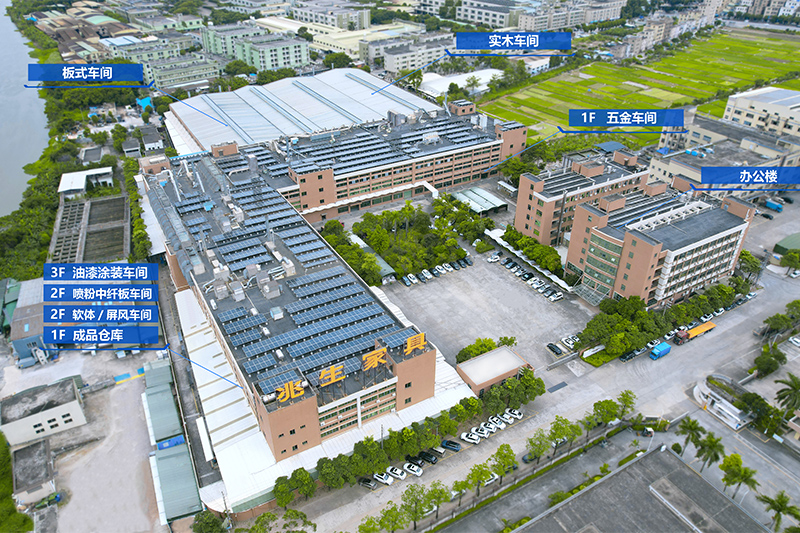
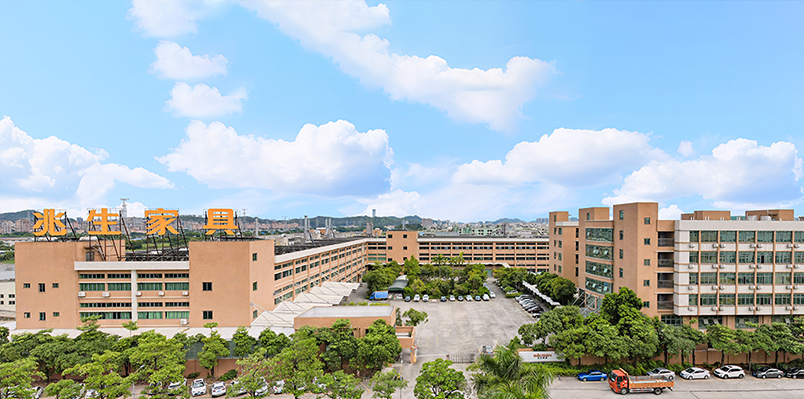
Over the course of more than 30 years of development, SAOSEN has always led the trend of the office furniture industry.
SAOSEN Furniture is a comprehensive manufacturer specializing in the research, development, production, and sales of office furniture, as well as furniture for financial institutions, hotels, education (schools and libraries), healthcare and elderly care, and residential use.
Guided by the corporate spirit of "innovation, sustainability, employee focus, integrity, and commitment," the company has consistently led the trends in office furniture over its 30-plus years of development.
Browse our full range of leather office seats designed and engineered for academic lecture halls, seminar rooms, and campus conference facilities.


 Rocky(Whatsapp)
 Rocky(Wechat)