In today's super hectic world, it's pretty common for folks to end up with bad posture and all sorts of discomfort when sitting for long stretches. Office Setups are often all about getting things done quickly, but they forget about how important proper ergonomics really are. Ignoring comfort over time can lead to some pretty annoying health issues down the line. That's why investing inHealthy Chairs is actually a smart move—it's a proactive way to support better posture and boost your overall well-being.
Healthy Chairs aren't just about giving your back a break—they actually encourage movement, which is pretty cool. The latest designs tend to be super flexible, so you can tweak them to fit your body perfectly. Whether you're working from home or at the office, having the right chair really can make a huge difference. Brands like Herman Miller and Steelcase really get this—focusing on ergonomic design that helps you stay comfortable and productive while avoiding unnecessary pain.
That said, not all "healthy" chairs are the same. Some might lack enough lumbar support, or they don’t have adjustable features that suit your needs. It’s really worth taking a moment to think about what your body actually needs. When you understand your own comfort requirements, it becomes easier to pick the right chair. Finding that perfect fit can be a bit of a challenge, but honestly, it’s so worth it. By putting comfort and support first, you're setting yourself up for a healthier, happier lifestyle—trust me, your body will thank you.
Understanding the Importance of Ergonomic Chairs for Posture
Ergonomic Chairs are essential for maintaining good posture throughout your workday. Many people spend hours sitting at desks, which can lead to discomfort and long-term health issues. A well-designed ergonomic chair supports your body’s natural curve, reducing strain on your back and neck. When looking forAffordable Office Chairs, consider factors like lumbar support, seat height, and adjustable armrests. These features make a significant difference in comfort and productivity.
Choosing the right chair should involve personal comfort and fit. Everyone's body is different, which can affect how a chair feels during long hours of use. Some affordable Office Chairs may lack sufficient adjustments, leaving you feeling stiff and fatigued. Testing chairs before buying is crucial. Pay attention to how the chair cradles your lower back. Ideally, your feet should rest flat on the ground, with knees at a 90-degree angle.
At times, it’s easy to overlook these details. You might settle for what's convenient instead of what's best for your body. Investing in a chair that fits your needs can pay off in better posture and overall health. A small change in your workspace can lead to big benefits over time.
Key Features of Healthy Chairs that Promote Comfort and Support
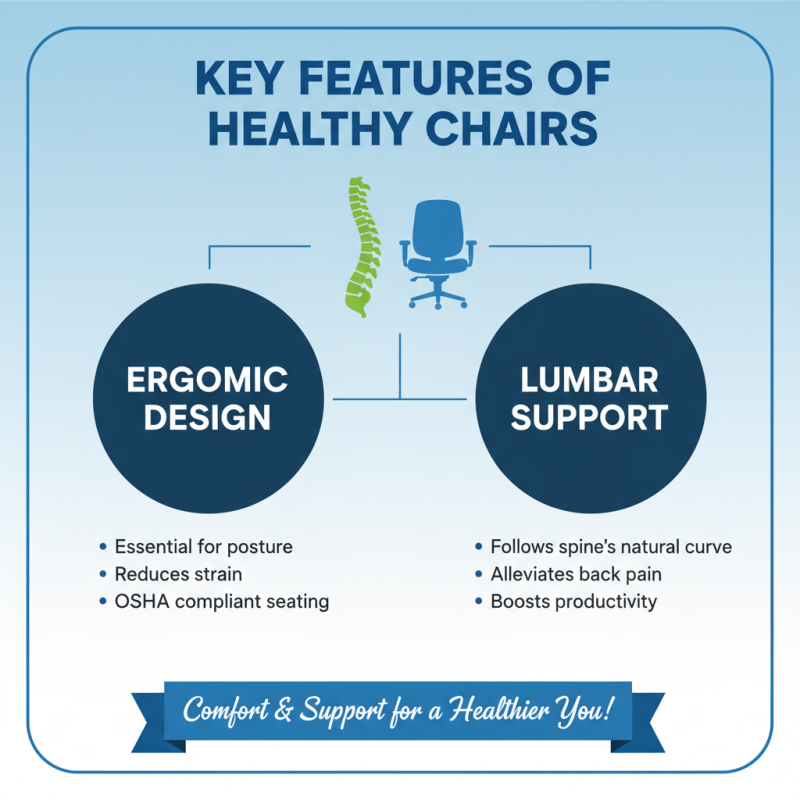
Finding the right chair is crucial for maintaining good posture and comfort. Healthy Chairs offer key features that enhance support and reduce strain. Ergonomic design is essential. According to the Occupational Safety and Health Administration (OSHA), poor seating can lead to musculoskeletal disorders. A chair with proper lumbar support encourages the natural curve of the spine. This reduces back pain and promotes productivity.
Adjustability is another significant factor. Chairs that allow users to modify seat height, armrest position, and backrest angle can accommodate various body types. The American Chiropractic Association states that adjustable seats can help decrease discomfort. Seat depth should also be adjustable to support different leg lengths. This personalization leads to better posture and overall comfort during long hours of sitting.
**Tip:** Take regular breaks while sitting. Stand up and stretch every 30 minutes. This can counteract the effects of prolonged sitting.
**Tip:** When choosing a chair, consider fabric breathability. Materials that promote airflow can enhance comfort, especially in warm environments.
Selecting a healthy chair is not just about looks. It's an investment in your well-being. Consider that even the best chair won’t fix poor posture habits. Regularly evaluate your sitting posture. Adjust as necessary to ensure optimal comfort and support throughout your day.
Top Brands and Models of Ergonomic Chairs for Home and Office
Choosing the right ergonomic chair can make a significant impact on your posture and comfort. Many options cater to various needs and preferences. Look for features like adjustable lumbar support, seat depth, and armrest height. These attributes help create a custom fit for different body shapes. A well-designed chair reduces strain on your spine and promotes better alignment.
Leather Ergonomic Chairs are an excellent choice for those who appreciate both style and functionality. The natural material adds a touch of elegance to any workspace. These chairs are often durable and easy to clean, making them practical for long-term use. However, not every chair fits every individual perfectly. Some users may find that a chair lacks adequate support or does not adjust enough to meet their needs, leading to discomfort during prolonged use.
Exploring multiple brands and models is vital. Use reviews and expert opinionsto guide your decision. Each ergonomic chair has its strengths and weaknesses. Understanding these can help you find the right option for your home or Office Setting. Remember to consider your personal comfort preferences and work habits when choosing a chair that suits you.
Comparing Materials: Mesh, Leather, and Fabric for Healthy Seating
When selecting the best chair for healthy seating, consider the materials used. Mesh, leather, and fabric each offer unique benefits and drawbacks for posture and comfort. According to a 2020 report by the American Chiropractic Association, nearly 80% of adults experience back pain, often linked to poor seating.
Mesh chairs are highly breathable. They provide excellent ventilation, reducing heat buildup during long hours. However, they lack the plush comfort of other materials. Some users report discomfort over extended use.
Leather chairs, known for their durability, offer a luxurious feel. Yet, they can become uncomfortably warm and require regular maintenance to prevent deterioration. In contrast, fabric chairs offer various textures and cushioning. They are often considered more comfortable for extended sitting. However, they may retain odors and be harder to clean.
A comprehensive study published in the Journal of Ergonomics in 2021 underscores the importance of chair material on overall health. It finds that users often prioritize aesthetics over functionality. This approach can lead to regret when the chair fails to deliver the expected support. When choosing a chair, it's crucial to balance style and ergonomic benefits for long-term comfort and health.
Adjustability and Customization: Finding Your Ideal Chair Settings
When searching for a healthy chair, adjustability is crucial. Chairs with adjustable features promote better posture and comfort. Research indicates that 70% of office workers experience back pain due to poor seating. A chair must be tailored to individual needs. This is particularly true for Commercial Office Chairs, which should support various body types and sizes.
Customization can include seat height, backrest angle, and armrest position. Reports show that optimal seat height reduces pressure on the thighs. Adjustability helps maintain proper spinal alignment. A study found that Adjustable Chairs led to a 30% decrease in discomfort among users.
However, finding the perfect settings requires trial and error. Many users find themselves overwhelmed by the options. It’s common to overlook essential adjustments. Small details, like seat depth, can significantly impact comfort. Reflecting on your chair's ergonomics can lead to better long-term health.
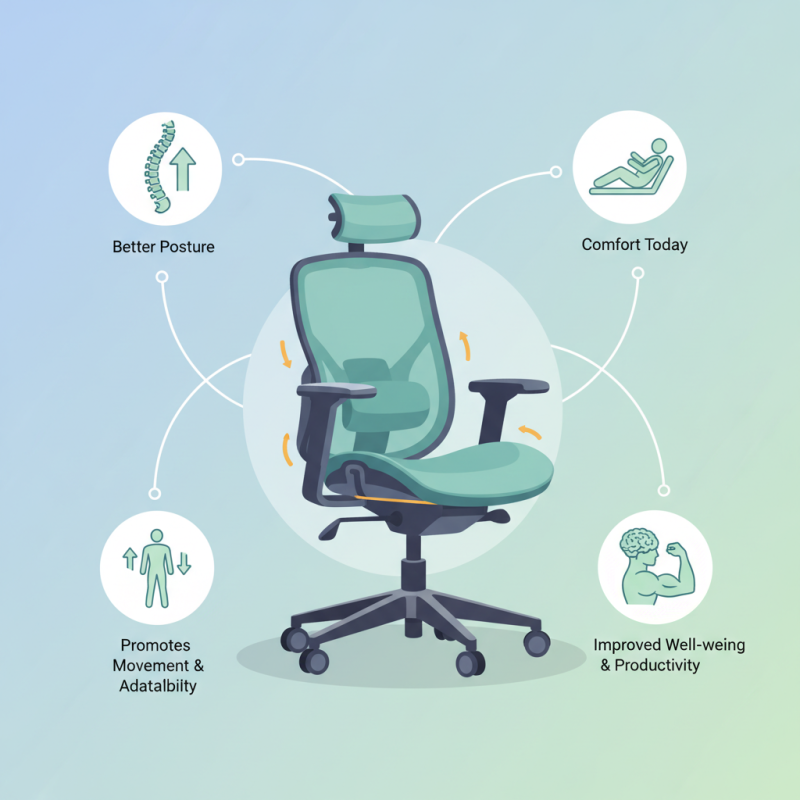
Top Healthy Chairs for Better Posture and Comfort Today
This chart illustrates the importance rating of various adjustable features found in healthy, Ergonomic Chairs that are designed to enhance posture and comfort. Each feature is rated on a scale from 1 to 10, with higher values indicating greater importance for overall chair effectiveness.
Tips for Maintaining Good Posture While Sitting in a Chair
Maintaining good posture while sitting is essential for overall health. Studies show that poor posture can lead to significant discomfort and chronic pain. According to the American Chiropractic Association, 80% of Americans experience back pain at some point in their lives. This highlights the importance of being conscious of how we sit.
To support good posture while seated, choose a chair that encourages a natural spine alignment. Your feet should rest flat on the floor. The knees should be at or slightly below hip level. Backrests that provide lumbar support can significantly reduce strain on your lower back. Adjust the chair height so you can maintain an open hip angle when sitting.
Remember, even the best chair can’t replace awareness. Frequent breaks are necessary. Research from the University of California reveals that sitting for prolonged periods increases health risks, including obesity and heart disease. Stand up, stretch, and walk around every 30 minutes. Integrating these habits is crucial to combat the negative effects of sitting. Regular assessments of your sitting posture can lead to lasting improvements. Consider your work environment and make small adjustments that promote comfort and support.
Additional Accessories to Enhance Comfort and Postural Support
When considering additional accessories to enhance comfort and postural support, one must think about various elements. Seat cushions can significantly improve comfort. Memory foam options mold to the body, providing tailored support. However, they may not suit everyone, as some users prefer firmer surfaces that promote a more active sitting posture.
Wrist rests are another essential accessory, especially for those who type frequently. They reduce strain on the wrists and forearms. In contrast, some individuals find them unnecessary, leading to a preference for a bare desk surface. The decision should be based on personal comfort levels and work habits.
Footrests can also play a critical role in posture. They encourage a more aligned spine by preventing slouching. However, too many options might confuse users. Some may struggle to find the right height or material for their needs. Ultimately, exploring these accessories can lead to a more comfortable and productive workspace. In any Office Setting, such as those found inOffice Chairs Houston Tx, comfort should never be overlooked.
Top Healthy Chairs for Better Posture and Comfort Today? - Additional Accessories to Enhance Comfort and Postural Support
| Chair Model | Adjustability | Material | Ergonomic Features | Additional Accessories |
| Model A | Height, Armrests | Mesh | Lumbar Support, Tilt Function | Lumbar Pillow, Seat Cushion |
| Model B | Height, Recline | Leather | Adjustable Headrest, Armrests | Footrest, Mesh Back Support |
| Model C | Height, Depth | Fabric | Synchronized Tilt, Neck Support | Wrist Rests, Ergonomic Footrest |
| Model D | Height, Armrests | Plastic | Breathable Back, Adjustable Seat | Memory Foam Cushion, Lumbar Roll |
FAQS
: Look for adjustable lumbar support, seat depth, and armrest height to suit your body shape.
Adjustability helps promote better posture and comfort, reducing strain on the spine during use.
Choose a chair with lumbar support and adjust it to maintain proper spinal alignment.
Some users may find inadequate support or limited adjustability, leading to discomfort over time.
It's recommended to take breaks every 30 minutes to stand, stretch, and walk around.
Factors include seat height, backrest angle, and personal work habits, which vary for each individual.
Yes, poor posture can lead to chronic pain and health risks like obesity and heart disease.
Yes, many users experience trial and error when adjusting their chairs to fit their needs.
Reflect on your adjustments and consider reassessing features like seat depth and height.
Ensure your feet are flat on the floor, knees are slightly below hip level, and use lumbar support.
Conclusion
The article "Top Healthy Chairs for Better Posture and Comfort Today" emphasizes the crucial role of ergonomic chairs in promoting proper posture and overall comfort. It outlines key features essential for healthy chairs, such as support, adjustability, and the materials used, including mesh, leather, and fabric. By selecting the right chair that aligns with individual needs, users can enhance their sitting experience significantly.
Additionally, the article provides practical tips for maintaining good posture while seated, alongside suggestions for accessories that further improve comfort and postural support. By prioritizing these elements, individuals can create a healthier workspace or home environment that fosters wellbeing and productivity. Exploring the variety of ergonomic options available helps users discover the ideal healthy chairs tailored to their preferences and requirements.

 Commercial Furniture
 Office Furniture
 Education Furniture
 Wood Veneer
 Solid Wood
 Powder Coated MDF
 Executive Series
 Training Series
 Desks
 Conference Table


 Rocky(Whatsapp)
 Rocky(Wechat)