In today’s fast-changing business world, you really can't underestimate how important it is to have well-designed meeting spaces. Studies from the International Facility Management Association (IFMA) show that the way your workplace is set up can have a big impact on how productive and happy your employees are. Picking the right Small Conference Table is actually a huge part of that – it not only looks good but also helps people work together and share ideas more easily. According to a report by Global Market Insights, the market for conference furniture, like small tables, is expected to grow at about 8.5% annually from 2021 to 2027. That just shows we're moving towards more flexible, functional office setups.
But, choosing the right Small Conference Table isn’t just about making things look nice. You’ve gotta think about the size, shape, and materials too—stuff that actually makes meetings run smoother and inspires creativity. A good table can really boost the energy in a room and help everyone feel more engaged. Plus, data from Statista shows that around 60% of workers believe their workspace layout impacts how well they can work together. So, in this guide, I’ll share ten handy tips to help you pick out the perfect Small Conference Table for your office—something that’s both practical and helps create a better overall workspace.

When choosing the perfect Small Conference Table, understanding its intended purpose is crucial. A Small Conference Table can serve various functions, from casual brainstorming sessions to formal meetings. The primary objective should guide your selection process. If you're looking for a collaborative space, consider tables that facilitate interaction, such as round or elliptical shapes. If formal presentations are your main requirement, a rectangular table might provide a more structured environment.
In addition to the shape, think about the size and how it fits into your existing space. Make sure the table allows adequate room for movement and comfort while accommodating the number of participants. You might also want to factor in the integration of technology. If your meetings often involve presentations or video calls, look for tables that can incorporate power sources and cables discreetly.
Lastly, consider the style and material of the table. The right design can enhance the overall atmosphere of your meeting room, reflecting the professionalism of your business. Whether you prefer a classic wood finish or a more modern glass top, ensure it aligns with your company's brand image and complements other furniture in the space. By emphasizing functionality and style, you'll select a table that not only meets your needs but also enhances the experience of every meeting.
| Tip | Description | Recommended Size | Ideal Shape | Material |
|---|---|---|---|---|
| Define Purpose | Assess whether the table is for collaborative meetings, presentations, or casual discussions. | 4-6 feet | Rectangular | Wood or Composite |
| Consider Space | Ensure there is enough space for movement around the table. | 5-7 feet | Round | Metal or Glass |
| Seating Capacity | Determine how many users will typically be seated. | 6-10 seats | Oval | Wood or Plastic |
| Mobility | Consider whether you need a fixed or mobile table. | 4-6 feet | Square | Folding Table |
| Aesthetic Matching | Choose a table that complements the existing decor. | Adjustable | Any | High-End Wood |
| Technology Integration | Consider tables with built-in tech support for presentations. | 6-8 feet | Rectangular | Mixed Materials |
| Budget | Ensure the table fits within your financial plan. | 4-10 feet | Any | Varied |
| Ergonomics | Choose a height that accommodates comfort for all users. | Standard (29-30 inches) | Rectangular or Round | Wood or Ergonomic Materials |
| Durability | Select materials that withstand heavy use. | 4-8 feet | Rectangular | Metal or High-Density Laminates |
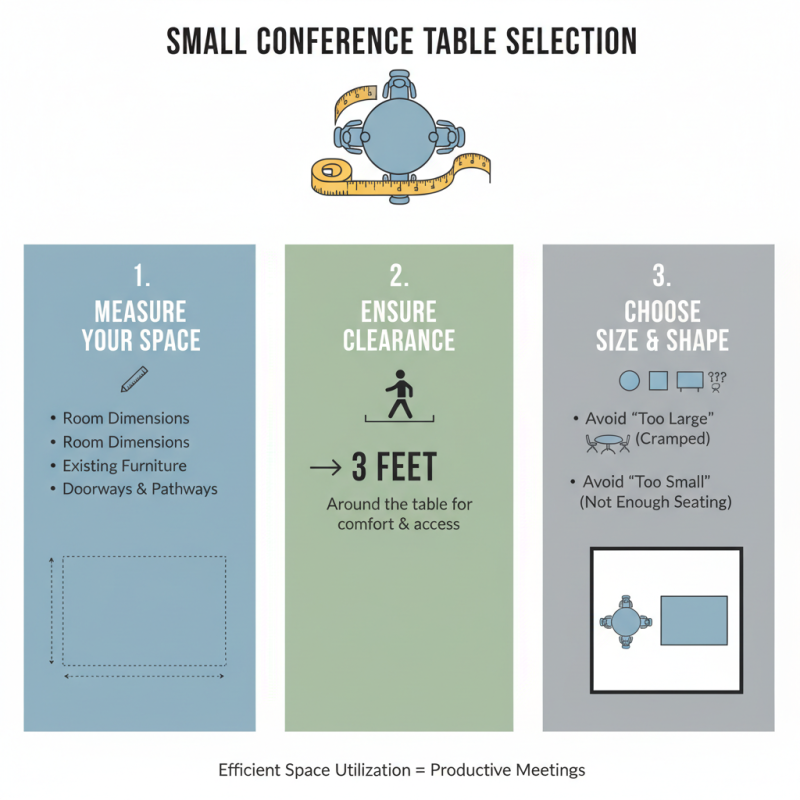
When selecting the ideal Small Conference Table, the size and shape are paramount in ensuring that the space is utilized efficiently. A table that is too large can make a room feel cramped, while one that is too small may not accommodate the number of attendees comfortably. Start by measuring the dimensions of your meeting space, taking into consideration the layout of existing furniture, doorways, and any necessary movement paths for people. A clearance of at least three feet around the table is recommended to facilitate easy access and maintain a comfortable atmosphere.
Next, consider the shape of the table, as it can significantly influence the dynamics of the meetings that take place. Rectangular tables offer a classic arrangement that maximizes space and can seat more individuals. Alternatively, round tables promote conversation and inclusivity, making them ideal for smaller groups or brainstorming sessions. For long, narrow areas, an oval table might fit perfectly while providing the benefits of both rectangular and round shapes. Ultimately, the combination of size and shape should reflect the intended use of the space, ensuring that it fosters productivity and collaboration among team members.
When selecting a Small Conference Table, the choice ofmaterial significantly impacts both durability and aesthetics. According to a report by the American Society of Interior Designers, well-chosen materials can enhance the functionality of office spaces while also elevating the overall design. For instance, solid wood tables offer timeless elegance and durability, making them a popular choice for professional settings. Wood not only adds warmth to the room but also provides excellent structural integrity, with species like oak and maple recognized for their resilience and longevity.
On the other hand, laminate and veneer tables present a cost-effective alternative that can mimic the appearance of solid wood while offering superior resistance to scratches and stains. A study by the National Office Furniture Association highlights that laminate surfaces can last as long as 10-15 years with minimal maintenance, making them an attractive option for businesses that prioritize functionality and budget. Additionally, metal frames are increasingly popular for contemporary setups, often paired with glass or wooden tops, offering a modern aesthetic while ensuring stability and durability. This diversity in material options allows businesses to tailor their conference spaces to reflect their brand identity while maintaining practical considerations.
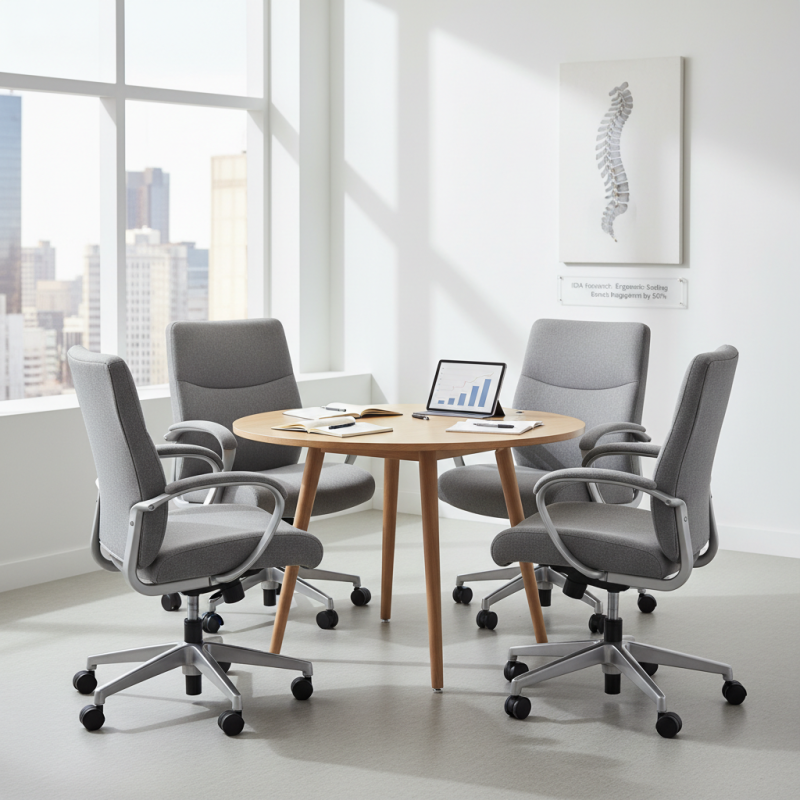
When selecting the perfect Small Conference Table, the comfort level of conference chairs often takes center stage. Research from the International Interior Design Association (IIDA) indicates that ergonomic seating can enhance participant engagement by up to 50%, highlighting the significant impact that chair design has on productivity. Comfortable conference chairs not only support the physical well-being of attendees but also foster a conducive environment for collaboration and creativity.
Moreover, a survey conducted by the American Society of Interior Designers (ASID) reveals that 72% of professionals prioritize comfort when choosing seating for their meeting spaces. This aligns with the growing trend towards flexible meeting environments, where the duration of sitting can stretch for hours during brainstorming sessions or strategic discussions. Prioritizing chair comfort can mitigate fatigue and distraction, ensuring that participants remain focused and actively contribute throughout the meeting. Thus, when considering a Small Conference Table, it's crucial to pair it with suitable chairs that offer optimal comfort, cushioning, and back support to enhance the overall meeting experience.
When selecting a Small Conference Table, one of the crucial factors to consider is its mobility. A lightweight table that can be easily repositioned allows for adaptability within various spaces, accommodating different meeting sizes and layouts. For instance, if you frequently repurpose rooms for training sessions or collaborative discussions, opt for a table that features wheels or is designed to be stackable. This mobility not only enhances the functionality of the space but also ensures that your conference area can be quickly transformed to suit the nature of the gathering, be it formal presentations or interactive brainstorming sessions.
Storage solutions are equally important when it comes to maintaining flexibility in your meeting environments. A conference table with integrated storage options, such as drawers or shelves, can help keep essential materials organized and easily accessible. Additionally, consider how the table can be stored when not in use. Folding or collapsible designs can save valuable space, making it easier to navigate small offices or multipurpose areas. By assessing both mobility and storage capabilities, you can choose a small conference table that meets your functional requirements while ensuring a dynamic and adaptable workspace.
This chart assesses five critical criteria for selecting an ideal small conference table. Key factors include mobility, storage capacity, flexibility, durability, and price, graded on a scale from 1 to 10.
When selecting the perfect small conference table, it’s essential to consider how the table’s style complements your office decor. The table should not only serve a functional purpose but also enhance the overall aesthetic of the workspace. For a modern office environment, sleek and minimalistic designs in materials like glass or polished metal can create an inviting atmosphere that encourages collaboration. Choosing a table with clean lines and a contemporary finish helps maintain a cohesive look that aligns with modern furnishings.
Conversely, if your office embodies a more traditional or rustic charm, opting for a wooden conference table with classic detailing might be the best choice. A rich, warm wood finish can bring a sense of warmth and professionalism, making meetings feel more comfortable and intimate. Additionally, consider the color palette of your office; selecting a table that either contrasts effectively or complements existing colors can create visual interest while maintaining harmony. This thoughtful approach to style not only elevates the space but also leaves a lasting impression on clients and team members alike.
When selecting a small conference table, budgeting for quality is essential to ensure that your investment pays off in the long run. It's crucial to acknowledge that the cheapest option may not always represent the best value. Instead, focus on identifying tables that balance cost with durability, functionality, and aesthetic appeal. Consider materials that are both economical and sturdy, as they will have a more extended lifespan and reduce the need for frequent replacements. Investing in a high-quality table may require a higher initial outlay, but the benefits of longevity and low maintenance often justify the expense.
Additionally, look for features that enhance usability and efficiency within your budget. A well-designed conference table should accommodate your specific needs, such as adequate space for technology integration or flexible arrangements for various meeting styles. Seek out tables with practical attributes like built-in power outlets or cable management systems, which can elevate the functionality of your meeting space. By emphasizing value over price, you can ensure that your small conference table serves its purpose effectively while contributing to a professional atmosphere that fosters collaboration and creativity.
: Consider whether you need it for casual brainstorming sessions or formal meetings, as this will guide your choice of shape and design. Round or elliptical tables are ideal for collaboration, while rectangular tables are better for structured environments.
The size is crucial as it needs to fit comfortably in your space without feeling cramped. Measure your meeting area and ensure at least three feet of clearance around the table for easy movement.
Rectangular tables maximize space and can seat more people, while round tables encourage conversation and inclusivity, making them suitable for smaller groups. Oval tables are also an option for long, narrow spaces.
If your meetings involve presentations or video calls, look for tables that can discreetly accommodate power sources and cables to maintain a clean and organized appearance.
A lightweight and mobile table allows for easy repositioning, providing flexibility to adapt the meeting space for different types of gatherings, whether formal or informal.
Consider tables with built-in storage options like drawers or shelves to keep materials organized and accessible, and look for designs that allow for easy storage when not in use, such as folding or collapsible tables.
Choosing the perfect small conference table involves several key considerations to ensure it meets the needs of your space and enhances functionality. First, it's essential to understand the purpose of the small conference table, as this will guide decisions regarding size, shape, and style. Evaluating different material options is crucial for both durability and aesthetics, ensuring the table complements your office decor while providing a resilient workspace.
Comfort is also essential, particularly when selecting chairs that will accompany the small conference table. Additionally, assessing the table's mobility and storage solutions can greatly enhance flexibility in your office layout. Finally, budgeting wisely is important to find a table that balances quality and value, allowing you to create an effective and inviting meeting environment without overspending.