Commercial Furniture
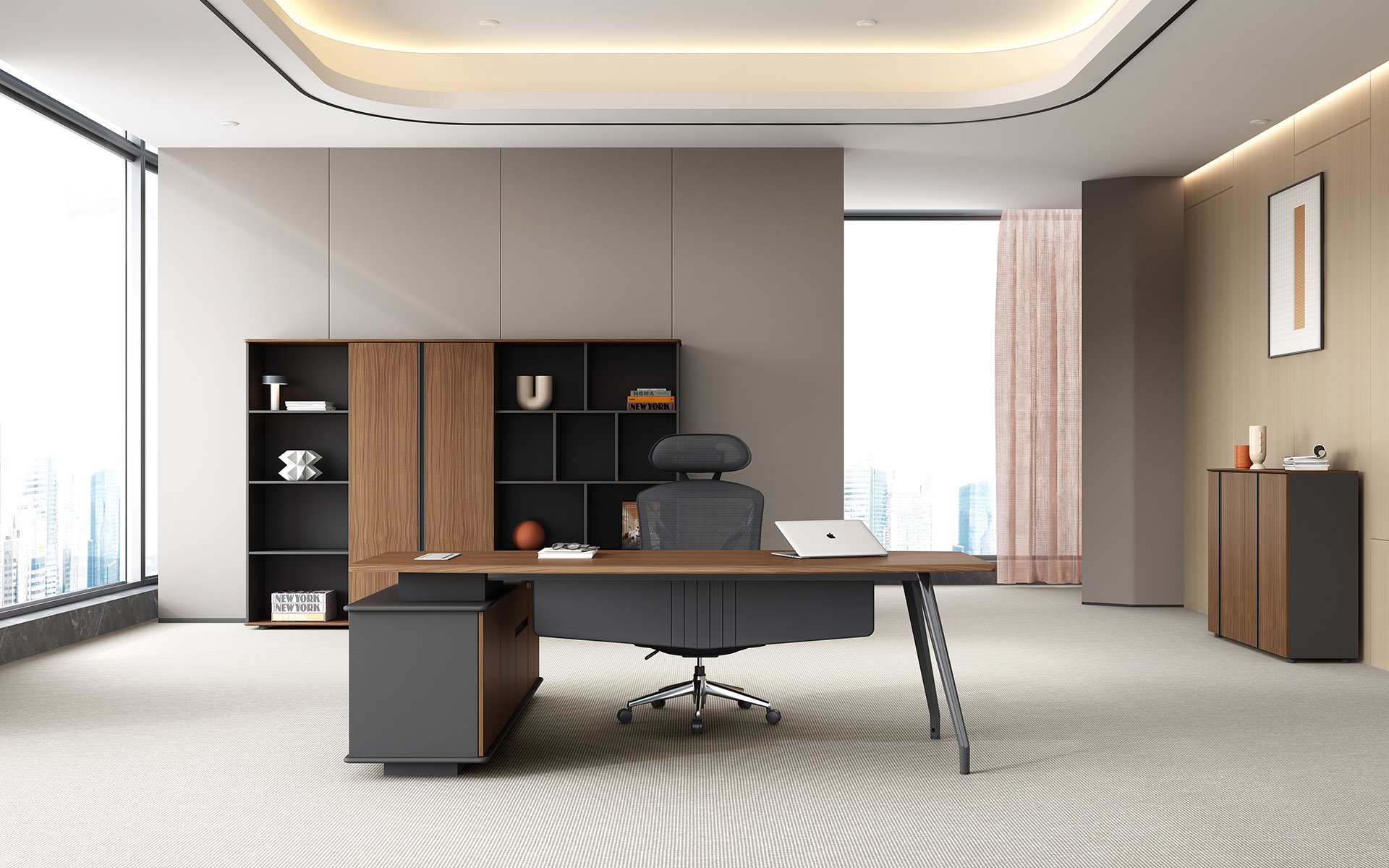 Office Furniture
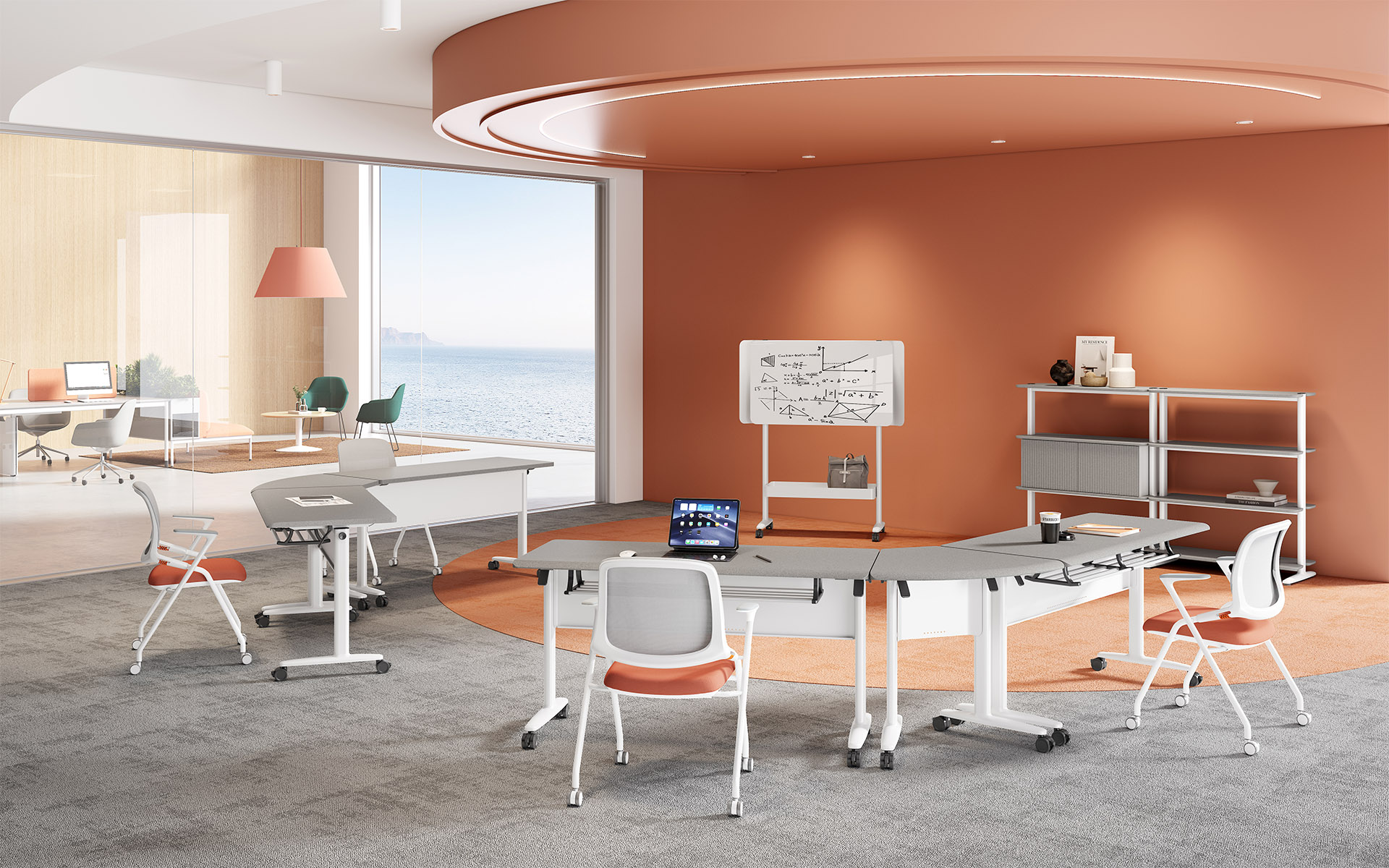 Education Furniture
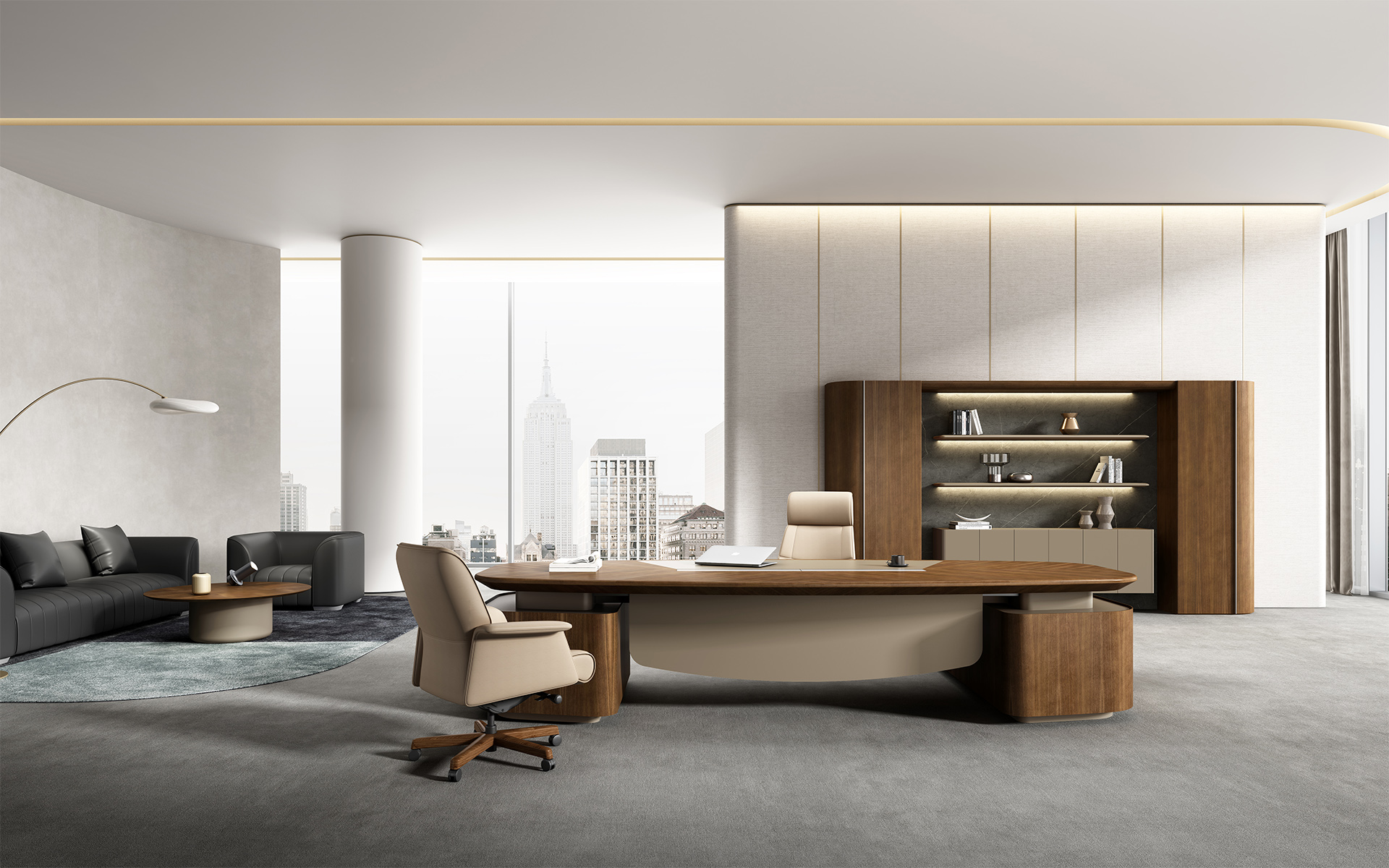 Wood Veneer
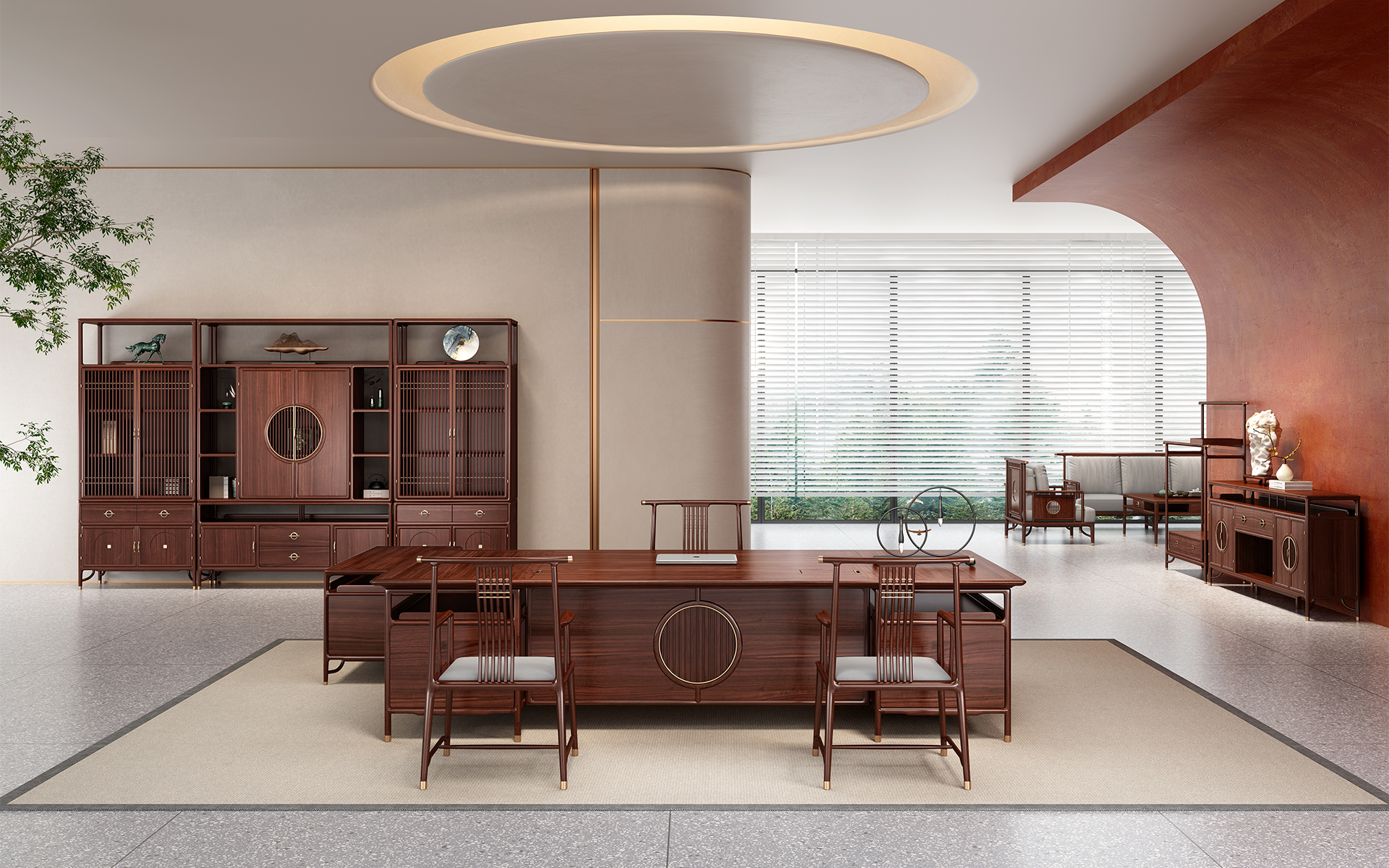 Solid Wood
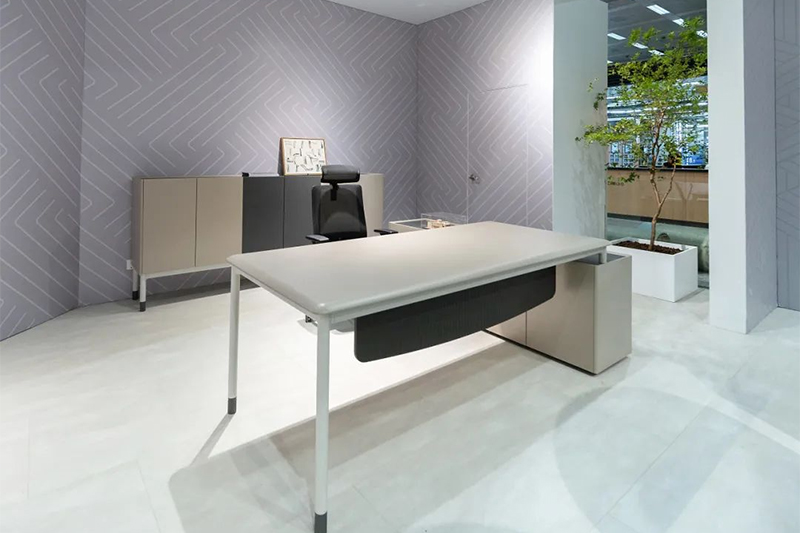 Powder Coated MDF
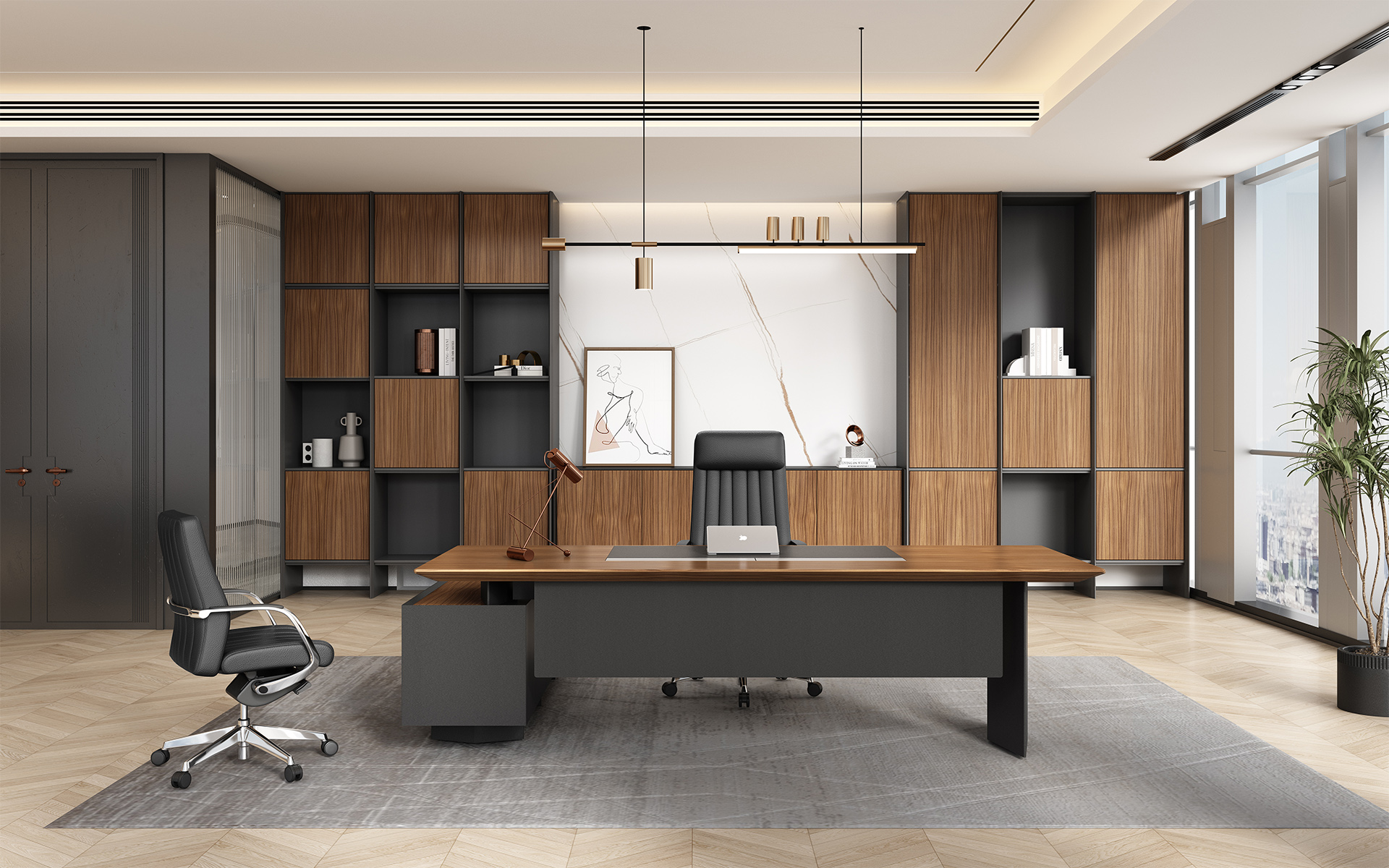 Executive Series
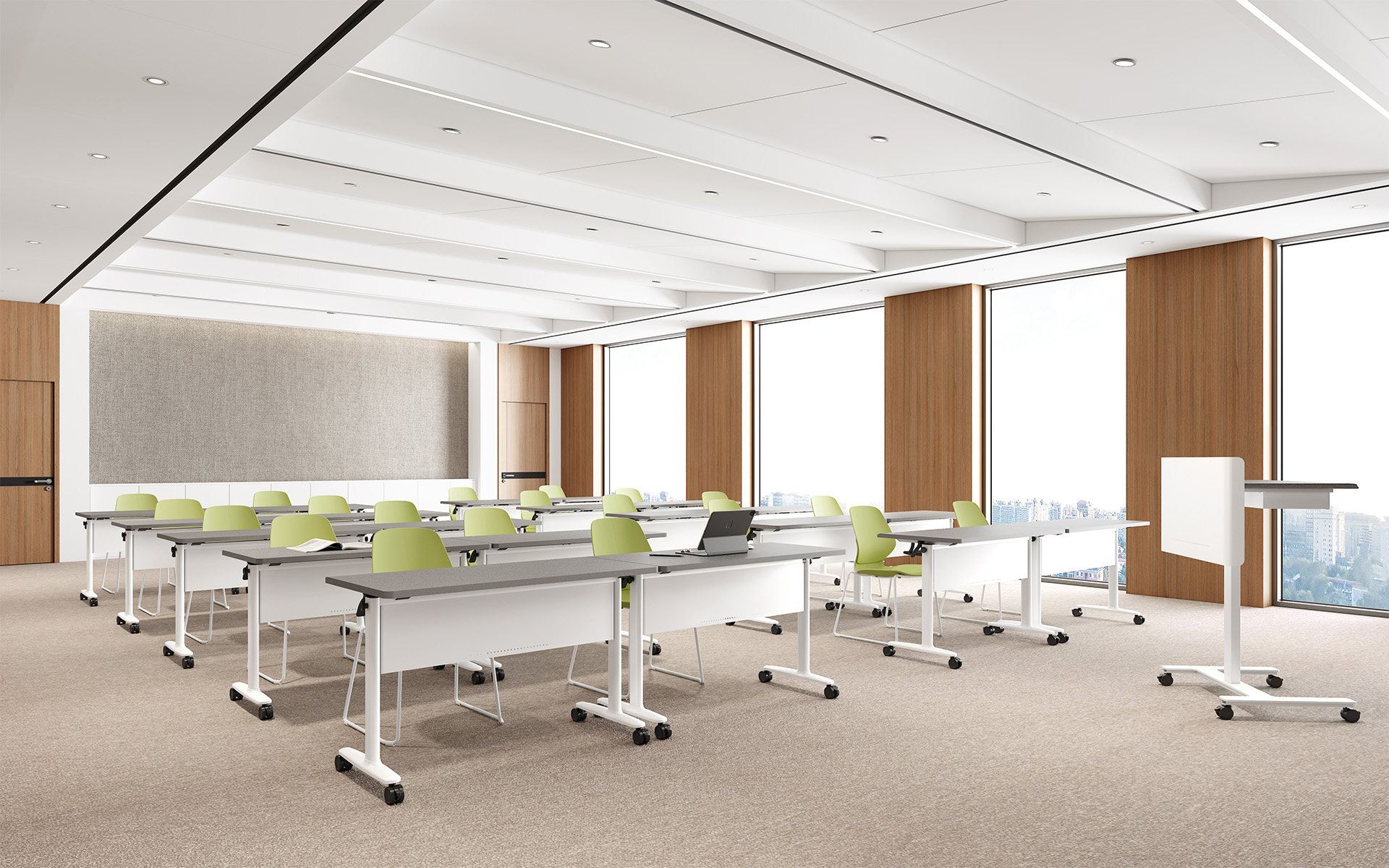 Training Series
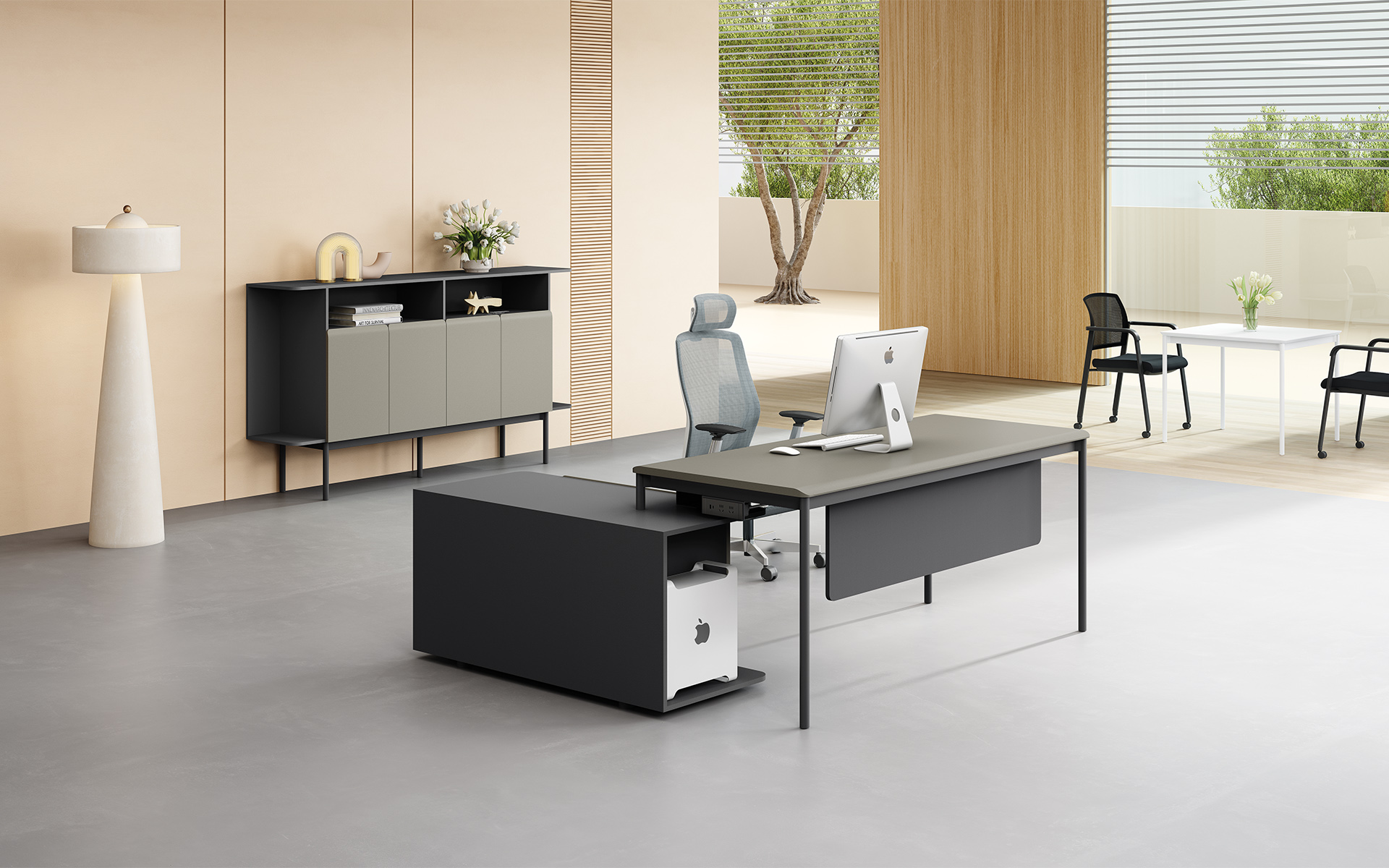 Desks
 Conference Table
Leave Your Message
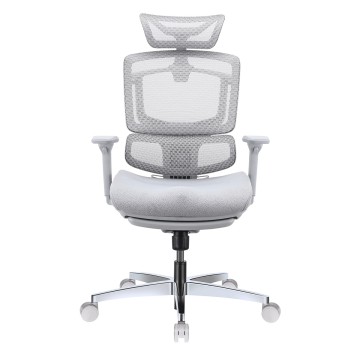
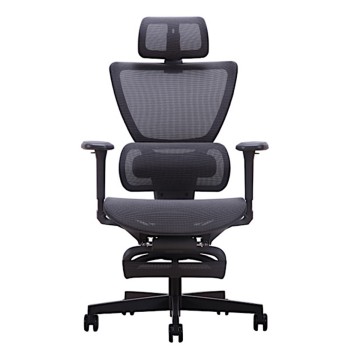
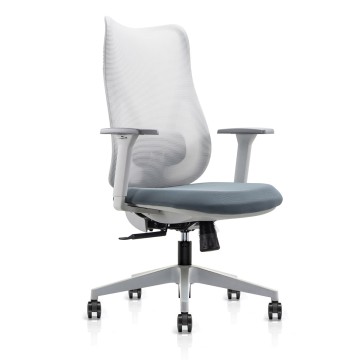
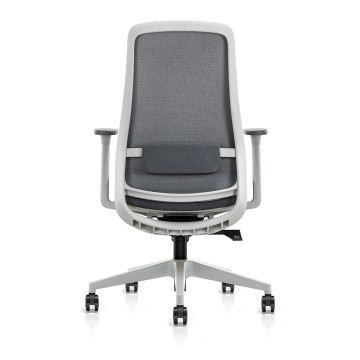
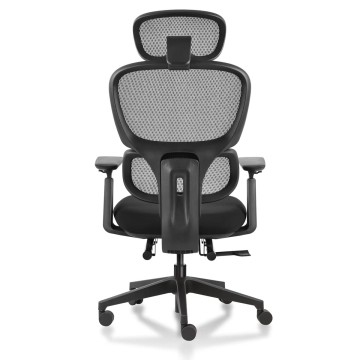
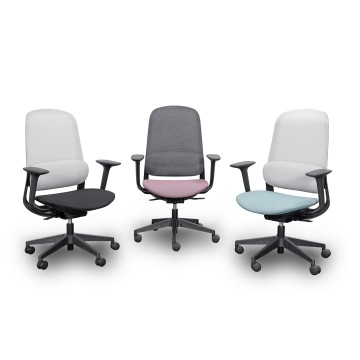
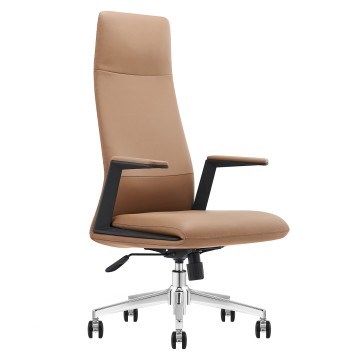
Discover our flagship adjustable chairs engineered for the extended focus sessions, drawing table heights, and collaborative dynamics unique to architectural design environments.
Architectural professionals spend an average of 8–12 hours daily alternating between digital workstations, drawing boards, and collaborative review sessions. The right adjustable chair is not a luxury — it is a performance tool that directly impacts creative output, physical health, and project quality.
Architectural studios use a variety of work surfaces — from standard desks to elevated drafting tables. Adjustable seat height and tilt mechanisms allow seamless transitions between sitting and standing-reach postures without physical strain.
Cognitive-intensive work like 3D modeling, rendering review, and site plan drafting demands hours of uninterrupted concentration. Lumbar support, armrest positioning, and seat depth adjustment reduce fatigue and help maintain mental clarity throughout the workday.
Unlike open-plan offices, architecture studios house professionals of varied body types working on diverse tasks simultaneously. Granular adjustability — including recline tension, headrest angle, and 4D armrests — ensures every team member achieves an optimal posture.
Architects are trained to scrutinize materials. Studio chairs must meet the same standards architects apply to their projects — sustainable sourcing, low VOC emissions, and durable construction that minimizes lifecycle replacement costs.
An architecture studio's interior is itself a portfolio statement. Adjustable chairs must complement the studio's visual language — whether that means minimalist Scandinavian lines, industrial materiality, or bold contemporary forms.
Design critiques, pin-up reviews, and client presentations require chairs that can be quickly repositioned. Smooth-rolling casters, swivel bases, and lightweight frames are essential features for the dynamic spatial use of a working studio.
The global ergonomic office chair market was valued at over USD 10 billion in 2024 and is projected to grow at a CAGR of 6.8% through 2030. Within this, the architecture, engineering, and construction (AEC) sector represents one of the fastest-growing professional verticals for premium adjustable seating.
Post-pandemic, architectural firms have adopted hybrid work models where studio spaces serve as high-intensity collaboration hubs rather than daily individual workstations. This shift demands chairs that are more versatile, durable under intermittent heavy use, and visually impressive for client-facing environments. Procurement teams are investing in fewer, higher-quality adjustable chairs rather than large volumes of standard office seating.
The widespread adoption of Building Information Modeling (BIM) software, VR design review, and parametric design tools has significantly increased screen-based work time in architecture studios. Professionals now spend more hours in seated positions than ever before, making ergonomic adjustability a direct occupational health requirement rather than a preference.
WELL Building Standard and LEED certification programs increasingly evaluate workplace furniture as part of occupant health scoring. Architecture firms — who are often themselves pursuing WELL-certified studio spaces — are specifying adjustable chairs that meet BIFMA ergonomic standards, GREENGUARD chemical emission certifications, and cradle-to-cradle material assessments.
Leading global architecture firms — from boutique studios to large international practices — increasingly treat their studio interiors as brand expression. The chairs in a studio communicate values to visiting clients, potential recruits, and collaborators. This drives demand for adjustable chairs that combine technical ergonomic performance with award-worthy industrial design aesthetics.
Every zone within a modern architectural design studio presents distinct ergonomic and functional demands. Understanding these micro-environments is essential to specifying the right adjustable seating solution.
High-resolution monitor arrays and extended rendering sessions require chairs with deep lumbar contouring, adjustable seat pan depth, and recline lock positions. Architects working 6+ hours on Revit or AutoCAD benefit significantly from dynamic lumbar support that adapts to micro-postural shifts during intense concentration.
Traditional drafting and physical model-making require elevated seat heights, forward-tilt seat mechanisms, and footring support. Adjustable chairs with a height range extending to 65cm+ and seat tilt-forward capability are essential for comfortable posture at 90cm+ drafting surfaces.
Weekly design reviews and client pin-up sessions require chairs that can be rapidly reconfigured. Lightweight frames under 12kg, 360° swivel, and clean aesthetic profiles allow these spaces to function as both casual critique areas and formal client presentation environments without furniture changes.
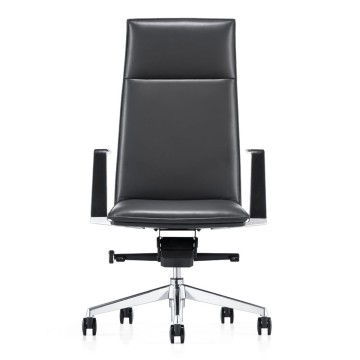
Leadership spaces within architecture firms demand executive-grade adjustable chairs that convey authority while providing all-day ergonomic support during intensive project management, client calls, and strategic planning sessions. Premium materials, refined silhouettes, and advanced lumbar systems are the key specification criteria.
Material libraries, product specification rooms, and technical research areas are increasingly integrated into studio layouts. These zones require adjustable chairs that support varied sitting postures — from leaning forward to examine material samples to relaxed recline during product literature review.
Growing numbers of architecture studios adopt hotdesking for junior staff and visiting collaborators. This demands adjustable chairs with intuitive, tool-free adjustment mechanisms that any user can configure correctly within seconds — reducing both musculoskeletal risk and operational friction.
SAOSEN has spent four decades refining the intersection of ergonomic science and furniture craftsmanship. Our adjustable chairs for architectural design studios are the product of deep collaboration with international design professionals, continuous material innovation, and an unwavering commitment to the humans who create the built world. Every adjustment mechanism, every material choice, every curve is engineered to support the work that shapes our cities.
Accompanying the pace of China's reform and opening-up, SAOSEN established the SAOSEN Furniture Factory in 1984. In 1996, it was re-registered as "Dongguan SAOSEN Furniture Industrial Co., Ltd.," entering the brand development stage. In 2025, SAOSEN entered a new phase of group development, with the formal establishment of Guangdong SAOSEN Furniture Co., Ltd.
SAOSEN Furniture was among the first in China's furniture industry to introduce an international management team, collaborate with top-tier global design firms and designers, and emphasize original design. It was also an early pioneer in environmental research and development for furniture. After decades of growth, the company now operates three production bases.
Contact us

Over the course of more than 30 years of development, it has always led the trend of the office furniture industry.
SAOSEN Furniture is a comprehensive manufacturer specializing in the research, development, production, and sales of office furniture, as well as furniture for financial institutions, hotels, education (schools and libraries), healthcare and elderly care, and residential use.
Guided by the corporate spirit of "innovation, sustainability, employee focus, integrity, and commitment," the company has consistently led the trends in office furniture over its 30-plus years of development.
From ergonomic task chairs for BIM workstations to executive seating for principal offices — explore our complete adjustable chair collection designed for the full spectrum of architectural studio environments.


 Rocky(Whatsapp)
 Rocky(Wechat)